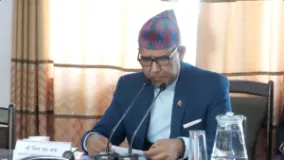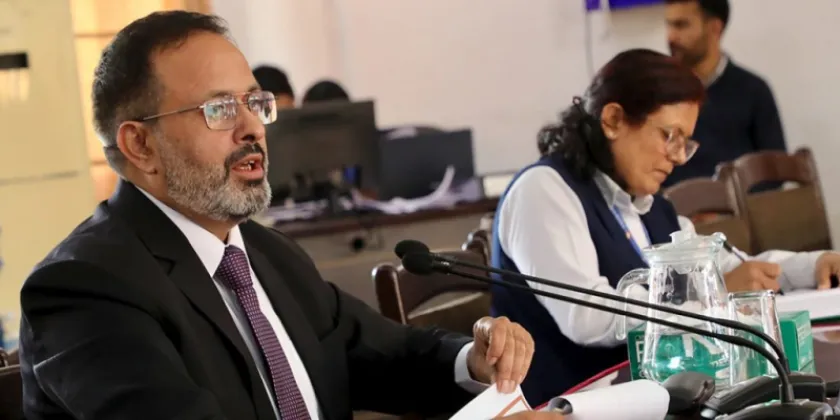
Kalyan Raj Sharma, Nepal’s proposed ambassador to China, faced a parliamentary hearing on Monday at the Parliamentary Hearing Committee in Singha Durbar, where he said he would work to create conditions for Nepal to secure practical benefits from China while maintaining political trust. Lawmakers questioned Sharma about how he would balance relations with Beijing against Nepal’s national interests. Rastriya Swatantra Party (RSP) lawmaker Madhu Kumar Chaulagain asked whether Sharma’s priority would be China’s wishes or Nepal’s interests. Sharma is a scholar of Sino-Nepal affairs and an economist.
Sharma outlines approach to China
At the hearing, Sharma described his proposed role as one of helping create an environment in which Nepal could obtain practical gains from its relationship with China while preserving political trust. His remarks placed those two aims together: maintaining a basis of confidence between the countries and seeking outcomes that Nepal can use in practice. The summary of the hearing does not specify which benefits Sharma identified, or how he would pursue them if appointed.
A report on Sharma’s proposed agenda also pointed to plans to restore access to four sea ports and three land ports in China. The available information does not give further details about the ports, the circumstances surrounding access, or the steps Sharma said he would take. The issue nevertheless gives a concrete example of the practical-benefit theme raised in his hearing, alongside the broader question of how Nepal should manage its relationship with its northern neighbour.
Lawmakers question national-interest priorities
Chaulagain’s question put the central issue directly to the nominee: whether he would place China’s wishes or Nepal’s interests first. The question pressed Sharma to clarify how he would approach the responsibilities of the ambassadorial post when the priorities of the two countries might need to be weighed. According to the hearing summary, Sharma’s stated approach was to maintain political trust while creating an environment for practical benefits. The summary does not record a more detailed response to the specific choice posed by the lawmaker.
The exchange made Nepal’s interests a prominent part of the hearing, rather than treating diplomatic trust as an end in itself. Sharma’s remarks connected the two, presenting trust as a condition to be maintained while pursuing practical outcomes for Nepal. No additional commitments, policy proposals or explanations from Sharma are included in the information available about the session, so the precise meaning of that balance remains limited to the statements reported at the hearing.
Ambassadorial nominations considered
Sharma was proposed for the ambassadorial role in China alongside proposed envoys to the United States and the United Kingdom. Hearings for the three nominees were scheduled for the same day, with Sharma’s hearing held before the Parliamentary Hearing Committee at Singha Durbar. The information available identifies the other two postings but does not provide details of their nominees’ hearings or the committee’s decisions on any of the proposed appointments.
Sharma’s background as an economist and a scholar of Sino-Nepal affairs was noted in connection with his proposed appointment. His hearing focused on the China relationship and the question of how an ambassador would pursue practical gains while sustaining political confidence. The committee session provided lawmakers with an opportunity to question him about that approach, including whether he would prioritize Beijing’s preferences or Nepal’s own interests. No decision on Sharma’s appointment is stated in the information provided.