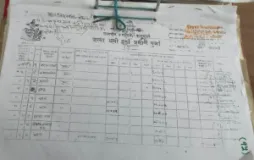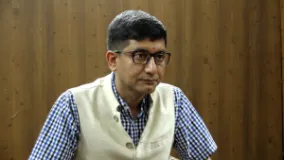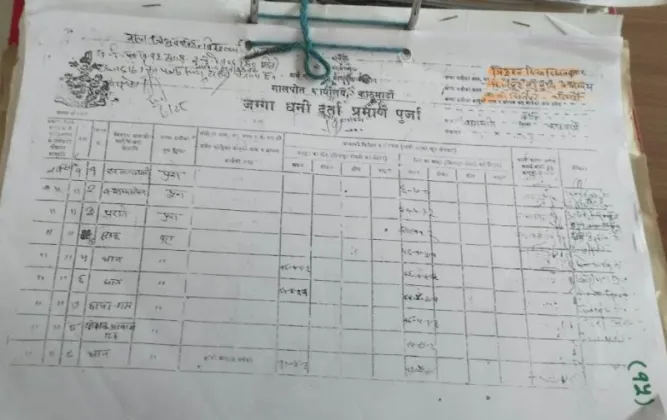
The Land Problem Resolution Committee in Jhapa has registered applications from 60,570 families seeking land ownership certificates, according to committee chair and Chief District Officer Shrawan Kumar Pokharel. The committee reported the figures on Wednesday, offering a detailed picture of the demand for formal land titles across the eastern Tarai district. The applicants fall into three broad groups recognised in Nepal's land problem resolution process: landless Dalit families, landless squatter families and families living in unorganised settlements, with the last of these accounting for the largest share by a wide margin.
How the applications break down
According to the figures the committee reported on Wednesday, the 60,570 registered applications are distributed as follows:
- 2,896 landless Dalit families, close to 5 percent of all applicants
- 15,783 landless squatter families, roughly 26 percent of the total
- 41,851 families living in unorganised settlements, about 69 percent and by far the largest group
The dominance of the unorganised settlement category indicates that most of the demand for ownership certificates in Jhapa comes from families living on land without formal legal arrangements, rather than from households with no land of any kind. Squatter families, who occupy land without holding title to it, form the second-largest block of applicants. Landless Dalit families make up the smallest group in absolute numbers, but the category carries particular weight in Nepal, where lack of land ownership among Dalit communities has long been linked to caste-based discrimination and social exclusion.
The figures were reported by the news portal RatoPati, which cited the committee.
The committee behind the count
The Land Problem Resolution Committee is the district-level body charged with taking forward the resolution of land problems in Jhapa. Its chair, Shrawan Kumar Pokharel, serves as the district's Chief District Officer, the senior-most administrative authority in the district, which places the application process under the direct oversight of the government machinery responsible for land administration.
Bodies of this kind work at the point of contact between families without secure tenure and the state. Their role typically involves registering applications from people who describe themselves as landless or who live in informal or unorganised settlements, examining those claims, and recommending eligible families for land ownership certificates, the legal documents that establish title to a plot of land. The registration of 60,570 applications in Jhapa therefore marks the beginning of an administrative process rather than its conclusion, and the eventual outcome for each family will depend on how the registered claims are examined.
The volume of applications recorded in a single district underlines the continued centrality of land in Nepal, where agriculture remains an important source of livelihood and where the distribution and formalisation of land has been a recurring theme of national policy for decades.
Why the certificates matter
A land ownership certificate, commonly known in Nepal as a lalpurja, is the state's formal recognition that a family owns a specific plot of land. Ownership carries consequences that go well beyond the document itself. A titled plot protects a family from eviction, can be bought, sold or mortgaged, serves as collateral when households seek loans, and places the family within the formal land revenue system. For people who have lived for years, sometimes generations, on land they do not legally own, the certificate can shape access to credit, compensation and a range of public services tied to property.
For the 2,896 landless Dalit families who have applied, ownership also touches on a historical injustice. Landlessness among Dalit communities has been both a cause and a consequence of caste-based discrimination, and efforts to secure land or land titles for Dalit families have formed part of broader attempts to address that legacy. Each certificate eventually issued to a Dalit family in Jhapa would represent one step in that longer process.
For squatter families and those in unorganised settlements, the problem is different but related: occupation without recognition. Families in this position may have built homes and lives on land for which they hold no papers, leaving them exposed to disputes and without the legal standing that ownership provides. Formalising such holdings is a precondition for converting long-standing residence into recognised title.
A long queue awaiting scrutiny
The figures reported on Wednesday do more than count applicants; they sketch the outlines of the task ahead for the committee in Jhapa. More than sixty thousand families are now on the district's register seeking ownership certificates, spread across the three categories the committee tracks. For the families concerned, the applications represent the start of a wait to learn whether their claims will be verified and converted into certificates. For the district administration, they offer a measure of the scale of landlessness and informal settlement in Jhapa, captured in a single set of numbers released by the committee chaired by Pokharel.