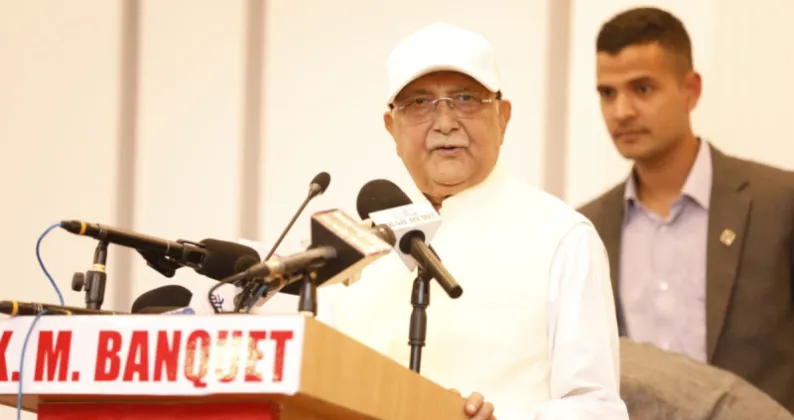
CPN (UML) Chairman KP Sharma Oli has said generational transition in the party and the state should take place gradually in Kathmandu, following established methods, processes and merit. He argued that younger generations should be prepared for leadership through training, capacity development and responsibility, and said demands for an immediate transfer of leadership in the name of generational change were not appropriate.
A gradual transition based on process
Oli’s remarks set out a distinction between preparing a new generation to lead and demanding that current leaders hand over immediately. In his view, generational transition is a natural part of political and state leadership, but it should proceed in an orderly way rather than be driven by pressure for a sudden change. He said decisions about transition should be guided by set methods and processes, with merit taken into account.
That approach places emphasis on how leadership changes, not simply on the call for change itself. Oli’s position was that a transition should develop over time, through established procedures, rather than be treated as an abrupt transfer. He did not present immediate handover as the measure of whether generational change is taking place. Instead, his comments described a process in which younger people are readied for greater responsibility before leadership shifts.
Preparing younger leaders
Oli said the new generation should be prepared through training, capacity development and the gradual assignment of responsibility. These steps, he indicated, are part of building the experience and abilities needed for leadership. His remarks therefore framed generational transition as more than a change in who holds a position: it also involves preparing people to take on leadership roles.
The emphasis on training and responsibility suggests that younger leaders should have opportunities to develop their capacity as part of the transition. Oli did not outline a timetable, name individuals, or describe specific training programmes in the remarks provided. His stated principle was that preparation should happen through development and responsibility, in keeping with the party’s or state’s established methods and processes.
Opposition to pressure for immediate handover
The UML chairman also cautioned against pressing for an immediate leadership handover under the banner of generational transition. He said such pressure was not appropriate, distinguishing calls for generational change from demands for leaders to step aside at once. His comments did not reject transition itself; rather, they argued that it should be gradual and conducted on the basis of process and merit.
The position leaves the question of timing tied to those methods and processes rather than to an immediate deadline. Oli’s remarks, as reported from Kathmandu, did not specify what particular procedures should apply or how merit should be assessed. They did, however, make clear that he favours preparation and a phased approach over a handover compelled by pressure.
Leadership change as a continuing process
By applying the principle to both the party and the state, Oli presented generational transition as a broader leadership issue, not one confined to a single organisation. His message was that the next generation should be developed and entrusted with responsibility, while transitions should follow established channels. The central point was that generational change is natural, but its pace and path should be guided by preparation, process and merit rather than demands for an immediate transfer of leadership.