
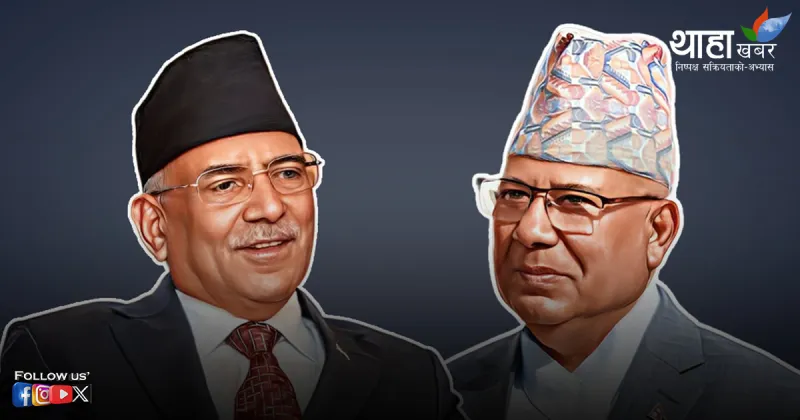
The Nepali Communist Party and the Nepal Communist Party have signed a 10-point unity agreement, taking a formal step toward unification between the two like-minded communist parties. News of the deal was published on November 3, 2026, when multiple Nepali news outlets reported that the two sides had reached the accord and announced their unification. Outlets including Thaha Khabar and Nepal Views carried the announcement, both describing the pact as a 10-point agreement. While the broad shape of the deal is now public, the specific contents of the ten points were not disclosed in the reports available at the time of publication.
A 10-Point Deal Announced
The agreement was picked up by Nepali media on November 3, 2026, after the two parties announced the unification deal. Thaha Khabar reported that the Nepali Communist Party and the Nepal Communist Party had reached the 10-point unity agreement, while Nepal Views covered the development under a headline describing a 10-point unity agreement between the two parties.
Based on the available coverage, the deal is being presented as a unification agreement rather than a routine electoral alliance or a limited cooperation pact. The two parties announced the deal as a unity agreement, and the reporting so far indicates that the two organizations intend to move ahead together on the basis of the agreed points.
What is confirmed at this stage comes down to a short list:
- The parties involved: the Nepali Communist Party and the Nepal Communist Party
- The instrument: a 10-point unity agreement
- The character of the deal: a unification agreement announced by both sides
- The timing: reported by multiple outlets on November 3, 2026
What the Reports Do Not Say
Despite confirmation of the agreement, key details remain unknown. The available reports do not specify what the ten points contain, how the document was negotiated, or who led the discussions for each side. There is also no information yet on whether the agreement sets a timeline for a full organizational merger, how leadership responsibilities will be shared, or what policy direction a unified force would take.
The reporting likewise does not indicate whether the deal was finalized at a public event or through internal channels, and no full text of the 10-point document had been made available in the reports published as of November 3, 2026.
That gap is significant for readers trying to judge the weight of the announcement. A 10-point structure suggests a deliberately negotiated framework rather than a loose statement of intent, but without the text it is not yet possible to say which organizational, ideological or electoral questions the points address. Attention will now turn to whether the two parties release the full document and elaborate on its provisions.
Like-Named Parties in the Same Political Space
A notable feature of the agreement is the near-identical naming of the parties involved. The Nepali Communist Party and the Nepal Communist Party differ only in the ordering of their first two words, a resemblance that is likely to test the attention of readers and even seasoned political observers as coverage develops.
Both parties sit within Nepal's communist political tradition, which places them in the same broad ideological space. That shared identity makes the logic of a unity agreement clear in principle: two organizations appealing to a similar political base have chosen to consolidate rather than compete. The 10-point format points to an attempt to put that consolidation on a written, agreed footing.
Unity pacts and mergers have been a recurring feature of communist politics in Nepal, where like-minded parties have periodically sought to combine forces. Viewed against that backdrop, the signing of a structured, point-by-point agreement is likely to attract close scrutiny, even though the parties themselves have yet to spell out its contents.
What to Watch Next
For now, the public record consists of the announcement itself. As the story develops, the central questions are likely to include:
- Whether the two parties publish the full text of the 10-point agreement
- Which leaders signed the document and what roles they would hold in a unified structure
- Whether the pact sets a timeline for organizational integration, from central committees to district units
- How a unified party would be named, given the near-identical names of the two founding organizations
- When and whether a formal unification event or convention will be held
None of these questions is answered in the reports available so far, which confirm only the existence and the 10-point shape of the deal. Until the parties elaborate, the agreement stands as a stated commitment to unity between two communist parties with matching ambitions and near-matching names. This report will be updated as further details of the 10-point agreement emerge.


