
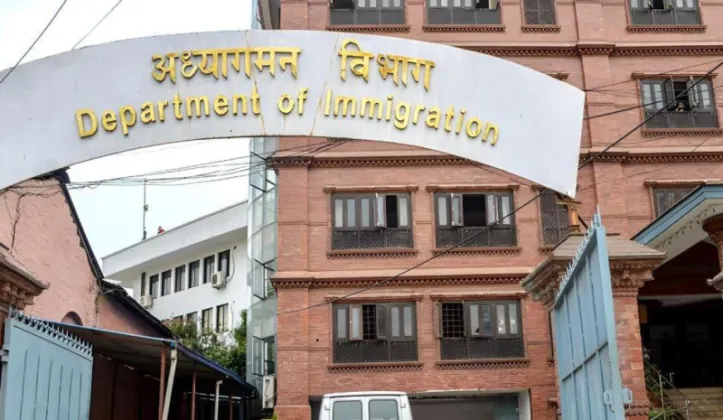
Nepal’s Department of Immigration and Department of Tourism have urged tourists and mountaineers to avoid high-altitude trekking from October 29 to 31, warning that forecasts of heavy snowfall, snowstorms and avalanches could make mountain routes dangerous. The Department of Immigration said permits for restricted areas would be suspended during the three-day period, while people already on the trails have been told to remain in safe locations.
Permit suspension and travel advisory
The warning covers Kartik 12 to 14, corresponding to October 29-31. The Department of Immigration issued its advisory citing information from the National Disaster Risk Reduction and Management Authority. The Department of Tourism also urged visitors and mountaineers to stay away from high-altitude trekking during the forecast period.
The suspension applies to trekking permits for restricted areas. It is a specific administrative measure alongside the broader appeal to avoid high-altitude routes; the information provided does not say that every trekking permit or all travel across Nepal is being suspended. Tourists planning a journey should therefore distinguish between the restricted-area permit suspension and the wider safety recommendation to postpone high-altitude trekking.
Authorities have warned of heavy snowfall and snowstorms, as well as the possibility of avalanches. Such conditions are the basis for the appeal to avoid exposed mountain routes during the three days. No individual trail closures, snowfall totals or route-by-route conditions were specified in the announcements described in the reports.
The instruction for trekkers already in the mountains is to stay in safe locations. The advisory does not provide a detailed list of designated shelters or give a route-specific evacuation plan. People on the trail should take the warning seriously and avoid pressing on into areas where weather and snow conditions could put them at risk.
Mustang and Gandaki weather warnings
In Mustang, the District Administration Office and Lomanthang Rural Municipality issued separate notices warning of potentially disruptive weather. Their alerts refer to moderate to heavy rain, thunderstorms, lightning and strong winds across most of Gandaki Province.
The Mustang notices add to the national warning by drawing attention to a wider mix of weather hazards, beyond snowfall and avalanches at higher elevations. Rain, lightning and strong winds may also affect travel conditions in the region, although the notices as summarized do not identify specific roads, trails or settlements that will be affected.
Key points for travellers:
- Avoid high-altitude trekking from October 29 to 31, in line with the authorities’ advisory.
- Restricted-area trekking permits are suspended for those three days.
- Trekkers already on the trail have been advised to remain in safe locations.
- Mustang and Lomanthang authorities have warned of rain, thunderstorms, lightning and strong winds across most of Gandaki Province.
Advice for trekkers and mountaineers
The announcements are precautionary measures linked to forecasts of severe weather and related mountain hazards. Travellers with plans during the period should reconsider high-altitude itineraries and check the status of any restricted-area permit before setting out. Those already trekking should follow the instruction to stay in safe places rather than continue into hazardous conditions.
The advisory applies to a defined three-day window, October 29-31. The information provided does not state what conditions will be like after that period, or when restricted-area permits will resume. Trekkers should not assume that routes are safe immediately after the advisory ends; any further decisions will depend on updated information from the relevant authorities.
With snowfall, snowstorms and avalanche risks flagged alongside storms and strong winds in Gandaki, officials are asking visitors to put safety ahead of travel plans. The central message is clear: avoid high-altitude trekking during the warning period, respect the temporary suspension of restricted-area permits and remain in a safe location if already on the trail.


