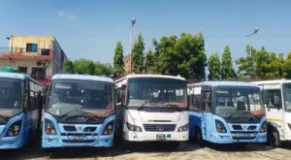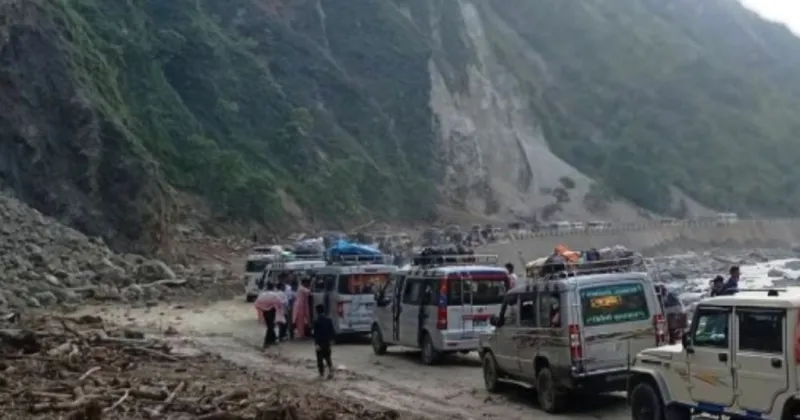
The Department of Transport Management has directed action against drivers and hotel operators who serve stale, unhygienic or low-quality food to passengers travelling on public vehicles, and monitoring has begun at highway hotels and restaurants where those vehicles stop for meals and snacks. The move follows complaints that some establishments are selling contaminated food at excessive prices. Both drivers and hotel operators found violating the directive may face action.
Monitoring at highway meal stops
The department, which operates under the Ministry of Physical Infrastructure and Transport, has focused its monitoring on hotels and restaurants used as stopping points by public passenger vehicles. These are the places where passengers are served meals or snacks during their journeys. The directive addresses the quality and hygiene of food provided at those stops, as well as concerns about the prices charged.
Complaints about contaminated food and excessive prices prompted the department’s response. The stated concerns include food that is stale, unhygienic or otherwise of low quality. Monitoring has now begun at the relevant establishments, with the aim of identifying hotels and restaurants that are not meeting the directive’s requirements.
The department’s action brings the food offered at highway stops into focus alongside the responsibilities of public-vehicle drivers. Passengers rely on drivers and operators to stop at places where they can obtain food during a journey. Under the directive, responsibility is not limited to the business preparing or selling a meal: drivers can also be subject to action when passengers are served unsafe or substandard food.
Drivers and hotel operators both face action
The directive makes clear that hotel operators and drivers may both be held accountable if violations are found. Hotel operators are covered because they provide the food, while drivers are included because they are associated with the passenger stops where meals and snacks are served. The department has said action will be taken against both parties found to have violated the directive.
That shared accountability is central to the measure. Rather than focusing only on the establishment selling food, the department’s approach also addresses the role of drivers in taking passengers to meal stops. The announced action is intended to apply where the directive has been breached, with monitoring at the hotels and restaurants used by public passenger vehicles serving as the means of checking compliance.
The concerns prompting the move involve two aspects of the passenger experience: the condition of food and the prices charged for it. Contaminated or stale food raises a hygiene and quality concern, while excessive prices create a separate complaint for travellers. The directive responds to both issues by targeting the establishments where passengers stop and by including drivers in the potential enforcement action.
Passenger food concerns prompt response
The department’s decision follows complaints about highway hotels and restaurants, rather than a report of a single specific incident. The information provided does not identify particular businesses, routes, drivers or passengers. It also does not set out specific penalties or describe the detailed procedures inspectors will use. What it does establish is that monitoring has started at meal and snack stops used by public vehicles, and that action is planned against drivers and hotel operators found to be in violation.
For passengers, the measure places attention on the food available during public-vehicle journeys and on the conditions at common stopping points. The department’s directive covers food described as stale, unhygienic, contaminated or low quality, while the complaints also include excessive prices. The monitoring effort is therefore aimed at the conduct that gave rise to those complaints, with both sellers and drivers within the scope of the announced response.
The Department of Transport Management has not, in the information available, provided further details about the number of locations being monitored or the results of inspections. Its stated position is that checks have begun at hotels and restaurants where public passenger vehicles stop, and that violations can lead to action against the concerned hotel operators and drivers.