
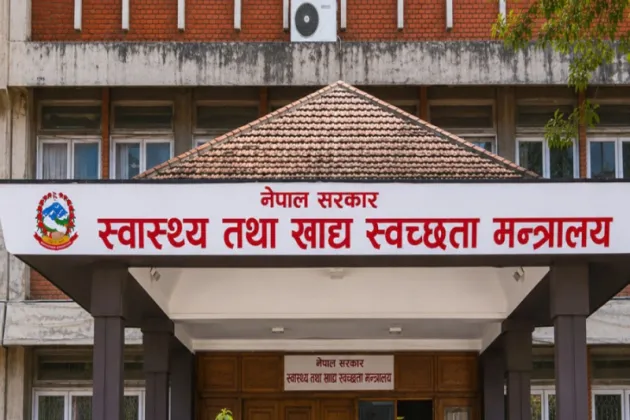
Nepal is set to conduct a nationwide micronetrient survey in 2026 to assess the nutritional status and levels of essential micronutrients among children, adolescents, women and other population groups across the country. The Nepal Micronutrient Survey 2026, which will be led by the Family Welfare Division under the Ministry of Health and Food Safety, is expected to deliver updated national and sub-national data on a subject that has gone without a fresh nationwide assessment for roughly a decade. The findings are intended to give policymakers a current, evidence-based picture of the country's nutritional health and to guide the design of nutrition programmes in the years ahead.
First Nationwide Assessment in Nearly a Decade
The 2026 exercise will mark the first time in about ten years that Nepal systematically measures micronutrient status across its population. According to a report by My Republica, the survey comes roughly a decade after the previous such exercise, meaning an entire generation of Nepali children and adolescents will be assessed under present-day conditions for the first time.
The length of that gap matters because nutritional conditions are not static. Diets evolve, food availability shifts, health services expand or contract, and household economic circumstances change over time. Without fresh measurements, planners have had to rely on figures that are nearly ten years old when designing programmes meant to protect the population from vitamin and mineral deficiencies.
A defining feature of the upcoming survey is its sub-national reach. Rather than stopping at a single national estimate, the Nepal Micronutrient Survey 2026 is designed to produce data at both the national and sub-national levels. That disaggregation should allow provincial and local authorities to see how nutritional problems vary across regions and to direct resources to the communities that need them most, instead of relying on one-size-fits-all approaches.
Who Will Be Surveyed and What It Will Show
The survey will focus on population groups at the most nutritionally sensitive stages of life, alongside a broader cross-section of the population. These include:
- Children, whose physical growth and cognitive development depend heavily on an adequate supply of vitamins and minerals in the early years.
- Adolescents, who undergo rapid growth and changing dietary needs that make them vulnerable to shortfalls.
- Women, whose nutritional status shapes maternal health and the wellbeing of newborns.
- Other population groups, ensuring the survey reflects the situation of society as a whole.
Micronutrients are vitamins and minerals that the body requires in small quantities but that play an outsized role in health. Nutrients such as iron, iodine, vitamin A and zinc support immunity, growth, brain development and energy metabolism, and shortfalls can contribute to anaemia, impaired growth and weakened defences against illness. By measuring the levels of essential micronutrients across these groups, the survey aims to build a precise picture of where deficiencies exist and which segments of the population carry the heaviest burden.
From Data to Policy
Governments and health planners typically use micronutrient survey findings to shape interventions such as food fortification, micronutrient supplementation and nutrition education, and to judge whether existing programmes are delivering results. When the underlying data is outdated, those decisions rest on assumptions that may no longer reflect reality on the ground.
For Nepal, the practical stakes of the 2026 survey are therefore considerable. Updated national and sub-national figures will help authorities target limited resources where they are needed most, and will provide a baseline against which the impact of future nutrition efforts can be measured. The results are also expected to be of value to researchers and development partners working on health and nutrition in Nepal, giving them a common, current reference point for analysis and programme design.
Preparations Underway
According to Ratopati, work on the micronutrient survey is already underway, with the Family Welfare Division steering the process ahead of the 2026 exercise. The division's lead role signals that the survey is being treated as a priority within the health ministry's broader agenda, and further details on its methodology and rollout are expected as preparations advance.
Once the results are in, they will replace figures that are close to a decade old with a current snapshot of Nepal's nutritional health. For a country working to improve the diets and wellbeing of its children, adolescents and women, the survey promises the clearest picture yet of how well the nation is meeting the micronutrient needs of its people.


