
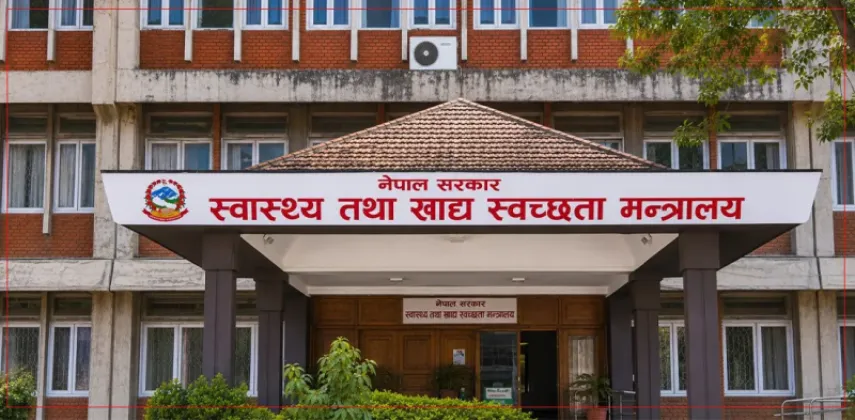
Nepal is set to launch a wide-ranging national exercise to measure the state of its population's nutrition, with the 'Nepal Micronutrient Survey 2026' poised to assess the nutritional status and micronutrient availability of more than 12,000 citizens across the country. The survey will be led by the Family Welfare Division under the Ministry of Health and Food Hygiene and will cover people in a broad range of age groups, including children, adolescents and women. Its central aim is to provide updated national and provincial-level data on the country's current nutritional situation, giving health authorities a fresher picture of where the gaps are and which groups need the most support.
What the Survey Will Involve
According to reports by RatoPati and Pradesh Khabar, the Nepal Micronutrient Survey 2026 will be a nationwide exercise reaching more than 12,000 citizens. The survey places its focus on groups whose nourishment carries long-term consequences for the country's wellbeing: children, adolescents and women across various age groups.
At its core, the survey will measure two related things. The first is nutritional status, the overall state of people's nourishment. The second is micronutrient availability, meaning whether the body is receiving enough of the essential vitamins and minerals it needs in small but critical amounts. Together, these indicators are intended to give a refreshed picture of the country's current nutritional situation, replacing older figures with current measurements.
The key features of the exercise can be summed up as follows:
- Survey name: Nepal Micronutrient Survey 2026
- Lead agency: the Family Welfare Division under the Ministry of Health and Food Hygiene
- Scale: more than 12,000 citizens covered across the country
- Focus groups: children, adolescents and women of various age groups
- Core output: updated data on nutrition and micronutrient availability at both national and provincial levels
Why Micronutrients Matter
Micronutrients, the vitamins and minerals the human body requires only in tiny quantities, are fundamental to growth, immunity, brain function and healthy pregnancies. When people do not get enough of them, the effects are not always visible. This is why such shortfalls are sometimes described as hidden hunger: a population can consume enough food in bulk yet still lack the nutrients it needs to thrive.
The choice of focus groups in the Nepal Micronutrient Survey 2026 is therefore significant. Children need adequate micronutrients during the most formative years of physical and cognitive development. Adolescents undergo rapid growth and, particularly in the case of girls, build the nutritional reserves that later support healthy pregnancies. Women face heightened nutritional demands before, during and after pregnancy, and shortfalls among mothers are often passed on to the next generation. By covering all three groups across various ages, the survey is positioned to capture nutrition at the stages of life where it matters most.
A national survey of this scale also serves a second purpose: it converts concern into evidence. Rather than relying on fragmented or dated information, health planners will be able to point to up-to-date measurements when deciding where to direct programmes and budgets, and when evaluating whether existing efforts are working.
Provincial Data for a Federal System
One of the survey's stated objectives is to produce data not only for the country as a whole but also for each province. That distinction carries real weight in Nepal's federal structure, in which provincial governments share responsibility for delivering health services. Nationwide averages can conceal sharp differences between regions, and a figure that looks acceptable nationally may mask serious gaps in one or more provinces.
With provincial-level figures in hand, authorities will be better placed to identify where nutritional challenges are concentrated and to tailor responses accordingly. The data is expected to help align programmes with the populations that need them most and to provide a baseline against which future progress can be judged.
For the Family Welfare Division, the exercise is as much an operational undertaking as a technical one. Coordinating the measurement of more than 12,000 people of different ages, in communities spread across the country, demands careful planning, trained personnel and consistent methodology so that results can be compared reliably from province to province and from one group to the next.
Looking Ahead
The Nepal Micronutrient Survey 2026 lies ahead, but its stated purpose is clear: to give health authorities a current, credible and geographically detailed account of how well Nepalis are nourished. As reported by RatoPati and Pradesh Khabar, the exercise is designed to refresh the country's understanding of its nutritional situation at both the national and provincial levels.
If the survey delivers on that objective, the findings are expected to inform the design of future nutrition interventions, from national strategy down to provincial programmes. For now, the announcement signals that micronutrient availability and overall nutrition remain priority concerns for Nepal's health authorities as the country moves toward 2026.


