
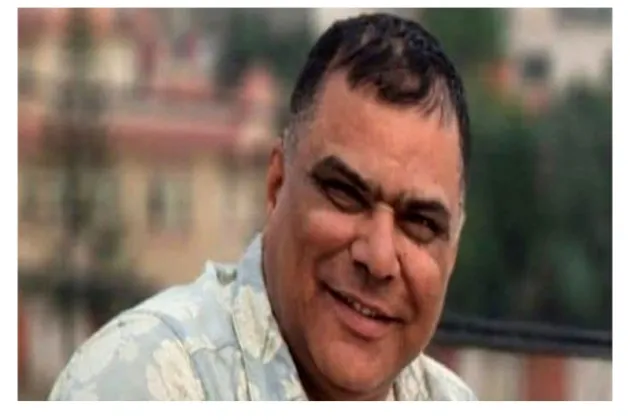
Nepal Police detained at least four journalists on Friday without giving reasons, while plainclothes officers entered the newsroom of Naya Patrika Daily in search of investigative journalist Nabaraj Mainali, according to a report by MyRepublica. Mainali had recently reported on alleged bribery in the judiciary. The detentions took place just before two consecutive public holidays, with no clear explanation, arrest warrants or evidence of court authorization provided. Press Council Nepal expressed serious concern, while media organizations condemned the actions as a violation of constitutional press freedom. The Prime Minister’s Office denied involvement in the arrests.
Detentions and newsroom search
The reported detentions involved at least four journalists, but authorities had not provided a clear reason for taking them into custody. The lack of publicly stated grounds left key questions unanswered, including what prompted the arrests and what legal basis was being used. The summary of the incident also noted that no arrest warrants or evidence of court authorization had been presented. These details have become central to concerns raised by press bodies and media organizations about the treatment of journalists.
The police action also extended to the newsroom of Naya Patrika Daily, where plainclothes officers entered looking for Mainali. His recent reporting concerned allegations of bribery in the judiciary. The available information does not establish that the allegations in his report were proven, nor does it specify what police said about their search. The newsroom entry, alongside the detentions, intensified concern about whether action was being taken in response to journalistic work.
Press Council and media groups raise alarm
Press Council Nepal expressed serious concern over the incident. Media organizations also strongly condemned the actions, describing them as a violation of constitutional press freedom. Their response focused on the circumstances of the detentions and newsroom search, particularly the absence of clear reasons and publicly available evidence of legal authorization.
The constitutional dimension is significant because the incident involves both journalists being detained and officers entering a newspaper newsroom to seek a reporter. The organizations’ condemnation signals concern about the ability of journalists and newsrooms to carry out their work without interference. The reported circumstances have also raised questions about the safeguards that should apply when authorities seek to detain journalists or enter a media organization’s premises. The available account, however, does not provide details of any formal legal challenge or subsequent response from the police.
The timing added to the concerns. The detentions occurred just before two consecutive public holidays, according to the summary. No further information was provided about how long the journalists were held, whether they were released, or what steps were taken after the holidays. Without those details, the immediate outcome for the detained journalists and the status of the search for Mainali remain unclear.
Prime Minister’s Office denies involvement
The Prime Minister’s Office denied having any role in the arrests. That denial contrasts with the concerns voiced by Press Council Nepal and media organizations, but the available information does not provide further details about the government’s account or identify who ordered the police actions. Nor does it state whether police issued a public explanation for the detentions or newsroom search.
The central unresolved issues are therefore the reasons for the detentions, the legal authority for the actions and the connection, if any, between the police operation and Mainali’s reporting on alleged judicial bribery. The available account confirms that the Press Council raised concern and media organizations condemned the actions, but it does not document a final explanation from police. Further clarification from the authorities would be needed to establish the basis for the arrests and the newsroom search. Until then, the incident remains a matter of concern for press freedom and the constitutional protections cited by media organizations.


