
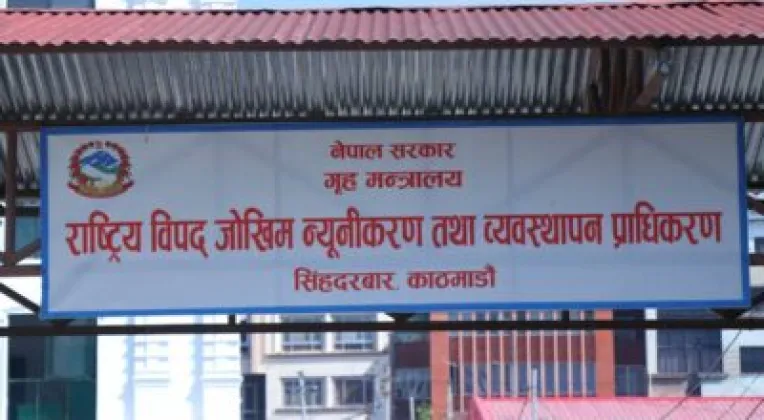
Nepal’s government has placed its subordinate agencies, including the health sector, on high alert as Cyclone Arnab is expected to bring heavy to extremely heavy rainfall and other severe weather across the country. The cyclone formed over the Bay of Bengal and made landfall in India’s Andhra Pradesh region. While the Department of Hydrology and Meteorology says the system is weakening and strong winds are not expected, disaster officials and local administrations have urged the public to remain vigilant.
Forecast warns of widespread severe weather
The Meteorological Forecasting Division said the weather system could affect Nepal with heavy to extremely heavy rain, lightning, windstorms and snowfall. The range of expected conditions puts several parts of the country under concern, although the division’s assessment that the cyclone is weakening indicates that strong winds are not expected from the system.
The forecast and the public warnings reflect two parts of the response: the meteorological assessment of the cyclone and the need to prepare for possible weather impacts. The National Disaster Risk Reduction and Management Authority has urged people to stay alert as the system moves through the region. Authorities have not said that the risk has passed, despite the cyclone’s weakening.
Rainfall is the main concern highlighted in the warnings, with the forecast including the possibility of very heavy precipitation. Lightning, windstorms and snowfall are also among the hazards identified. The warnings cover more than one type of weather impact, and the national alert has been accompanied by specific notices from district administrations and the aviation authority.
Government agencies placed on alert
The government’s decision covers all subordinate agencies, including those in the health sector. The alert is intended to ensure that government bodies remain attentive as the forecast period approaches and as conditions develop. The announcement places public services within the broader response, rather than limiting the warning to meteorological and disaster-management agencies.
The National Disaster Risk Reduction and Management Authority has separately called on the public to remain vigilant. Its appeal comes alongside the forecasting division’s assessment that the cyclone is weakening. Together, the statements convey both the latest view of the storm’s strength and the continued need to pay attention to weather warnings.
Aviation authority warns of possible disruption
The Civil Aviation Authority of Nepal has issued a nationwide aviation safety alert. It warned that heavy rain, strong winds and poor visibility may disrupt flights. The alert applies across the country, reflecting the possibility that adverse weather could affect aviation operations in more than one location.
The authority’s warning identifies visibility and weather conditions as potential operational concerns. It does not state that flights have already been cancelled or delayed, but it cautions that disruption may occur. Passengers and aviation operators are therefore being alerted to the possibility of changes as the weather develops, while the wider national warning remains in place.
Districts urge residents to stay alert
District administrations in Jhapa, Dhankuta and Makwanpur have also asked residents to remain on high alert. Their warnings add local-level action to the government-wide alert and the national aviation notice. The notices are consistent with the wider call from the disaster authority for people to stay vigilant as heavy rain and other adverse weather are forecast.
The Department of Hydrology and Meteorology’s assessment that Cyclone Arnab is weakening has not led authorities to withdraw their warnings. Heavy to extremely heavy rainfall, lightning, windstorms and snowfall remain among the conditions identified as possible across Nepal, while the aviation authority has highlighted the risk of flight disruption from rain, wind and poor visibility. Government agencies, disaster officials and the named district administrations have all urged continued attention to the evolving weather situation.


