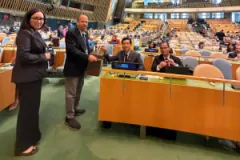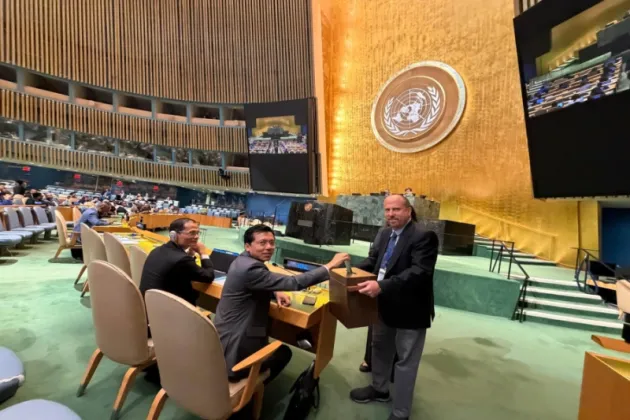
Nepal has been elected to the United Nations Human Rights Council for the 2027–2029 term, securing 173 of 180 votes in the UN General Assembly, according to a press statement from Nepal’s Permanent Mission to the UN in New York. Nepal received the highest number of votes among the countries elected in its group to the 47-member council. Nepal’s Ambassador and Permanent Representative to the UN, Lok Bahadur Thapa, thanked member states for their trust and reaffirmed the country’s commitment to multilateralism, human rights, international law and a rules-based international order centred on the United Nations.
Nepal wins highest vote total in its group
The 173 votes mark strong support for Nepal’s election to the council. The result was announced by Nepal’s Permanent Mission to the UN in New York, which said the country had earned the top vote total among those elected in its group. Nepal’s election secures its place on the 47-member body for the three-year period beginning in 2027 and ending in 2029.
The vote took place in the UN General Assembly, where 180 votes were cast, according to the mission’s statement. Nepal’s total was 13 votes below the number cast, meaning it received support from a large majority of those voting. The result establishes Nepal’s representation on the council during the forthcoming term, although the statement provided no further details about the voting or the other countries elected in the group.
Thapa thanks member states
Following the election, Thapa expressed appreciation to UN member states for placing their trust in Nepal. He also restated the country’s commitment to multilateralism and to the principles of human rights and international law. His remarks positioned Nepal’s election as both a vote of confidence from member states and an opportunity for the country to contribute through the UN’s multilateral framework.
Thapa further reaffirmed Nepal’s support for a rules-based international order centred on the United Nations. The statement did not set out specific policy priorities for Nepal’s council term, but it identified the principles the country says will guide its engagement: cooperation through multilateral institutions, respect for human rights and international law, and support for the UN’s central role in the international order.
A seat on the 47-member council
The Human Rights Council is a 47-member body, and Nepal’s election will give it a place on the council for the 2027–2029 term. The result gives Nepal a formal role within the body during those years and comes with a high vote total relative to the other countries elected in its group. The council’s membership makes it a forum in which states participate in multilateral discussions on human rights; Nepal’s statement emphasized its commitment to that work and to international law.
Nepal’s election, as reported by its Permanent Mission, is therefore significant both for the term it secures and for the level of support reflected in the vote. With 173 votes, Nepal recorded the strongest result in its group. Thapa’s response highlighted the country’s intention to approach its membership in keeping with the principles it reaffirmed after the outcome: multilateralism, human rights, international law and a UN-centred, rules-based international order.