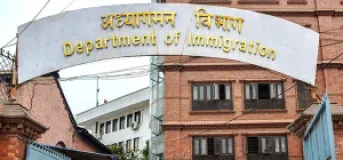
Nepal's Department of Immigration has deported 24 South Korean nationals arrested in Morang for carrying out Christian proselytising and pastor-training activities while in the country on tourist visas, according to reports published on October 14. Each person was fined Rs 50,000 and prohibited from entering Nepal for the next three years. The deportation was carried out by the Immigration Department, with reports from Kathmandu and Biratnagar detailing the action.
Deportation and penalties
The 24 nationals were arrested in Morang after authorities found they had been using tourist visas while engaging in religious activities, including spreading Christianity and running training activities for pastors. The Immigration Department subsequently deported them from Nepal. The reports identify the visa status and the activities as the basis for the action, but do not provide further details about the arrests or the deportation arrangements.
The financial penalty was Rs 50,000 for each deportee. Across the group, that amounts to Rs 1.2 million. In addition to the fine, each person was barred from returning to Nepal for three years. The penalties therefore apply individually to all 24 people, combining a monetary fine with a temporary entry restriction.
The immigration action followed the arrests in Morang and ended the group’s stay in Nepal. The reports describe the activities as Christian proselytising and pastor-training, rather than activities consistent with the purpose of a tourist visit. They do not specify how long the individuals had been in the country, how the activities were organised, or whether any other people were involved.
Tourist visas and religious activities
The case centres on the difference between the purpose stated for travel and the activities the South Korean nationals were reported to be undertaking. They had entered or stayed in Nepal on tourist visas, while carrying out proselytising and training activities related to Christianity. The Department of Immigration’s response was to deport them, impose a fine on each person and prevent their return for three years.
The reports do not identify the individuals by name or provide information about any church, organisation or institution connected with the activities. They also do not set out details of the immigration rules applied in the case, or describe any court proceedings. The action reported is an immigration decision: the 24 people were deported and given individual fines and entry bans.
What is known about the case
The available details establish the number of people affected, their nationality, where they were arrested and the penalties imposed. All 24 were South Korean nationals arrested in Morang. They were reported to have used tourist visas for Christian proselytising and pastor-training activities. Following the arrests, Nepal’s Immigration Department deported them, fined each Rs 50,000 and barred each from entering the country for three years.
The reports from Kathmandu and Biratnagar do not provide further information about the group’s itinerary, the specific locations where the activities took place, or the date of the arrests. Nor do they describe whether the individuals have appealed the fines or entry bans. The outcome reported by the authorities is clear, however: all 24 were removed from Nepal, and the three-year restriction applies to their future entry into the country.