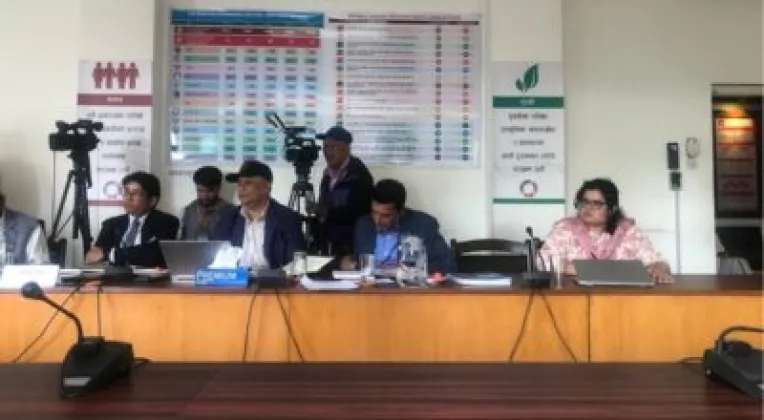
At a meeting of the National Assembly’s Development, Economic Affairs and Good Governance Committee in Nepal, participants stressed that the country should prioritise grants, direct access and regional cooperation in climate finance ahead of an upcoming climate conference. The discussion examined the serious effects of global climate change on Nepal and the country’s diplomatic initiatives for climate justice, with participants emphasising that finance should reach affected communities directly to help reduce climate-induced risks and protect them.
Climate finance should reach affected communities
A central point raised at the meeting was that climate finance must be accessible to the people and communities facing climate-related risks. Participants called for support to reach affected communities directly, rather than being separated from their needs by processes that make access difficult. The focus on direct access placed local protection and the reduction of climate-induced risks at the centre of the discussion.
The committee’s emphasis connected climate finance with the consequences of climate change for Nepal. Participants examined the serious effects of global climate change on the country and considered how financial support could help protect those affected. The meeting did not describe particular communities, projects or climate impacts, but its message was clear: finance should be directed towards people exposed to climate-induced harm.
The call for grants was another key element. By prioritising grants, Nepal’s climate finance efforts would seek funding provided as grants, alongside the demand that affected people be able to access support directly. These priorities were presented as part of the country’s broader approach to climate finance and climate justice. Together, they set out what participants said should guide efforts to secure and deliver climate-related support.
Diplomacy and regional cooperation
The discussion also considered Nepal’s diplomatic initiatives for climate justice ahead of an upcoming climate conference. The meeting therefore addressed both the effects of climate change at home and Nepal’s efforts to advance its position in international discussions. The conference was described as upcoming, but the meeting reports did not identify it by name or provide further details about its timing.
Regional cooperation was also stressed as a priority. Participants placed it alongside grants and direct access as part of the approach Nepal should take on climate finance. The call signals that the country’s efforts should include cooperation with regional partners as well as diplomatic engagement on climate justice. The discussion did not set out specific regional proposals, partners or mechanisms.
These priorities give the climate finance discussion a practical focus: the type of support sought, the ability of affected communities to access it and the importance of cooperation. Grants, direct access and regional cooperation were the main themes identified at the committee meeting. Reports by Khabarhub and Ratopati also highlighted the emphasis on grants and direct access to climate finance.
Priorities ahead of the climate conference
The meeting’s message ahead of the conference was that climate finance should be considered in relation to the risks people face, not only as a matter of securing funds. Participants stressed that support must be accessible to affected communities and tied to reducing climate-induced risks and protecting them. The committee also linked these concerns to Nepal’s diplomatic pursuit of climate justice.
The discussion did not announce a funding package, identify a new programme or specify how the proposed priorities would be implemented. Instead, it underscored the principles participants want Nepal to prioritise: grant-based finance, direct access for affected communities and regional cooperation. As the country prepares for the upcoming climate conference, those principles are the main points of the committee’s discussion on climate finance.