
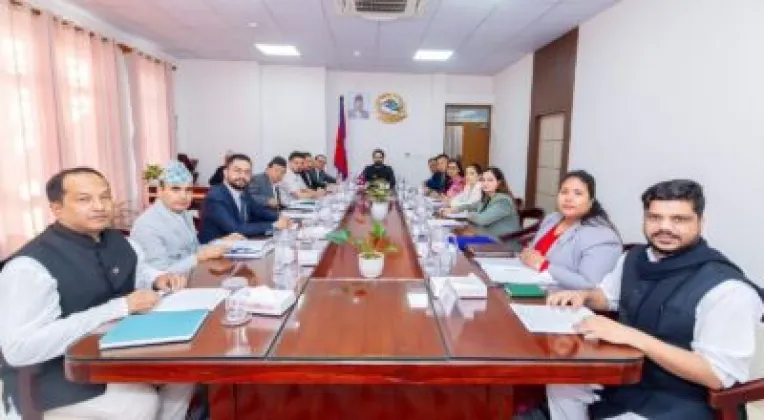
The government of Nepal has approved the Fertilizer Control Order, 2083, and decided to include nano fertilizer, biostimulants, and commercially produced and sold biological and organic fertilizers on the list of essential substances. The decision is intended to promote these products as alternatives to chemical fertilizers and improve soil health, while the new order aims to regulate fertilizer quality, production, sale and distribution.
New fertilizer categories added
The decision covers several kinds of products: nano fertilizer, biostimulants, and biological and organic fertilizers that are produced and sold commercially. Their inclusion on the essential-substances list places these categories within the government’s stated effort to promote alternatives to chemical fertilizers.
The government’s decision refers specifically to commercially produced and sold biological and organic fertilizers. It does not, in the information available about the announcement, set out a separate description of the products or explain how each category will be defined under the order. The inclusion of nano fertilizer and biostimulants alongside biological and organic products broadens the range of fertilizer-related substances covered by the decision.
The move links the promotion of these products with the goal of improving soil health. The announcement identifies that goal alongside the intention to encourage alternatives to chemical fertilizers, making both priorities central to the government’s rationale for the decision.
Fertilizer Control Order 2083
The approved Fertilizer Control Order, 2083, is intended to regulate the quality, production, sale and distribution of fertilizers. These areas cover the main stages through which fertilizer is produced and supplied, from product quality and manufacturing to its sale and distribution.
The order’s stated purpose is regulatory. The government has approved it as a framework for managing fertilizer-related activities, while the decision to add new categories to the essential-substances list signals an accompanying effort to promote nano, biological and organic products. The available announcement does not provide details on specific quality requirements, production standards, licensing rules, inspections, penalties or implementation dates, so those provisions cannot be confirmed from the information released.
Together, the two decisions address both the regulation of fertilizers and the categories the government intends to promote. The order is aimed at overseeing quality and market activity, while the additions to the essential list recognize nano fertilizer, biostimulants, and commercially produced biological and organic fertilizers as part of the government’s stated effort to encourage alternatives to chemical fertilizers.
Focus on alternatives and soil health
The government has presented the inclusion of the new categories as a way to promote alternatives to chemical fertilizers. It has also linked the decision to improving soil health. The announcement does not specify targets for adoption or describe how the government will measure progress toward either objective.
The approval marks a policy step that combines fertilizer regulation with the promotion of a wider range of products. Further details about how the Fertilizer Control Order, 2083, will be implemented, and what requirements it will apply to producers and sellers, were not included in the information available about the decision.


