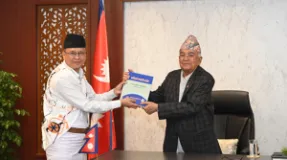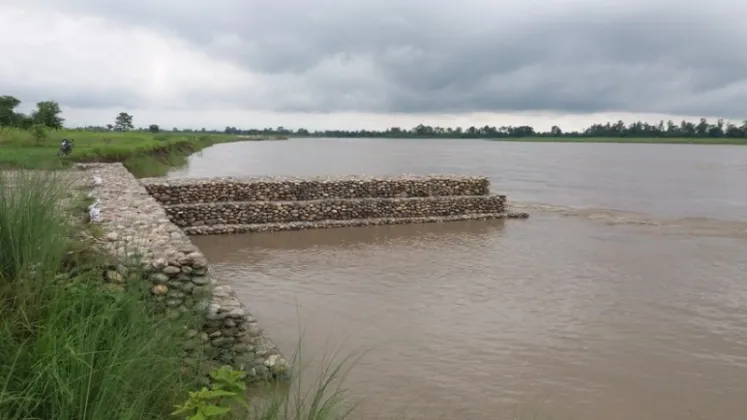
The Narayani River Control Project will be implemented as a multi-year initiative following continued problems with river erosion and embankment construction, after discussions with stakeholders on how to carry out the work in a planned manner. The effort is being advanced under the leadership of Sobita Gautam, Minister for Law, Justice and Parliamentary Affairs and a lawmaker representing Chitwan Constituency No. 3. The move shifts the project toward a longer-term implementation approach, rather than treating the river-control work as a one-off effort.
A longer-term approach to river control
The decision follows ongoing challenges connected to erosion along the Narayani River and the construction of embankments. These problems have made the project difficult to address through a single, short-term work cycle. Making the initiative multi-year is intended to provide a framework for carrying out the work in a planned manner, according to the information released about the discussions.
The project’s focus on river control and embankment construction links the two issues at the center of the decision. River erosion has remained a continuing problem, while embankment work has also faced difficulties. The multi-year arrangement is being advanced in response to those persistent challenges, with the stated aim of organizing implementation over a longer period.
Stakeholder discussions and leadership
The decision came after discussions with stakeholders about how the project should proceed. Those discussions were aimed at ensuring the work is undertaken in a planned manner. The available summary does not identify the participating stakeholders or specify the details of their recommendations, but it places consultation at the centre of the decision to change the project’s implementation approach.
Gautam is leading the initiative in her capacity as Minister for Law, Justice and Parliamentary Affairs and as the representative for Chitwan Constituency No. 3. Her leadership brings the project onto the agenda of a senior government minister who also represents the constituency associated with the work. The decision has been framed around addressing the ongoing river-control and embankment issues through a more sustained project structure.
Planning the work over multiple years
Under a multi-year approach, the project is to be pursued over more than one year, allowing its work to be planned across a longer timeframe. This responds to the stated need to deal with continuing erosion and difficulties in embankment construction through an organized process. The decision is therefore not only about extending the project’s duration; it reflects an effort to place implementation within a planned sequence of work.
The announcement does not provide a project timetable, budget, construction targets or a breakdown of work by year. It also does not describe specific embankment locations or set out the next implementation steps. The central decision, however, is clear: the Narayani River Control Project is to be made multi-year following stakeholder discussions, with Gautam advancing the initiative and persistent erosion and construction challenges cited as the reasons for the change. Further planning will determine how the longer-term approach is translated into work on the ground.