
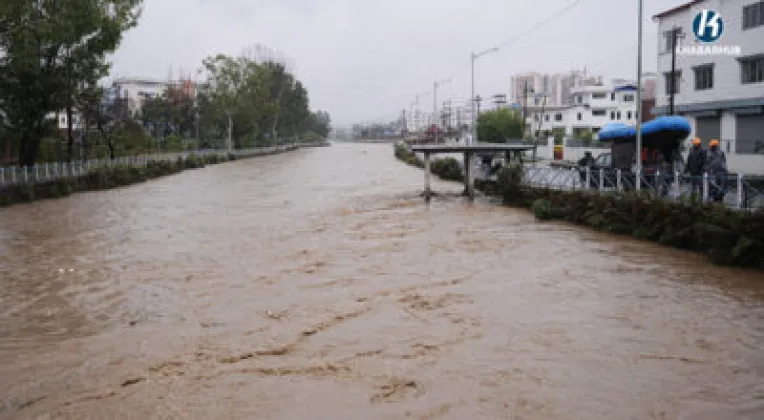
The water level of the Manohara River at Chyasal in Lalitpur district has risen following continuous rainfall, prompting authorities to urge residents of nearby areas to remain vigilant against possible flooding. According to reports published by Khabarhub and Ratopati, security forces have been placed on standby in anticipation of any emergency along the river. The Armed Police Force Nepal (APF) No. 21 Battalion, Lalitpur (Dakshinkali), has been kept ready with the necessary equipment to respond should the situation deteriorate. The advisory comes as spells of rain continue over the area, keeping the river's flow high and keeping officials on guard. There were no immediate reports of injuries or damage in connection with the rising water, but the alert reflects the vulnerability of the settlements that line the riverbank.
Rising Flow Puts Riverside Areas on Alert
Continuous rainfall has caused the water in the Manohara River to swell at Chyasal, a settlement that lies close to the river in Lalitpur. The rise in water flow has been enough for authorities to issue a public caution, asking people living in low-lying and riverside localities to stay alert and be prepared to move to safer ground if the water climbs further.
The Manohara is one of the rivers that drain the Kathmandu Valley, flowing past settlements on the valley's eastern side and joining the Bagmati river system. Houses, farmland and other structures stand along stretches of its banks, and during sustained rain the river's flow can rise quickly, posing a risk to anything built close to the waterline. Chyasal is among the places where residents live near enough to the river to feel the effects when its level climbs.
Monsoon Season Heightens the Risk
Nepal's monsoon, which generally runs from June to September, brings the bulk of the country's annual rainfall, and rivers across the Kathmandu Valley routinely swell during this period. Continuous rain over a short span can push water levels up rapidly, particularly in rivers that collect runoff from built-up areas and surrounding hills. With this in mind, authorities regularly caution valley residents against lingering near riverbanks during and after heavy rain, since water levels can change with little warning. The current alert along the Manohara fits that wider pattern of seasonal preparedness.
Security Forces on Standby with Rescue Equipment
To deal with any possible emergency, the APF No. 21 Battalion, based at Dakshinkali in Lalitpur, has been kept on standby with the necessary equipment. A standby position means personnel and gear are ready to be deployed at short notice, allowing rescuers to move quickly if the swollen river poses a direct threat to lives or property in the areas around Chyasal.
The Armed Police Force plays a leading role in Nepal's disaster response system, and its units are routinely called upon for search and rescue work during floods and landslides across the country. Positioning a battalion on standby near a river in spate is a precautionary deployment, intended to shorten response time should evacuation or rescue become necessary. For residents, the visible presence of prepared security personnel is also a signal that the rising water is being taken seriously by the authorities.
Residents Urged to Stay Vigilant
The central message from authorities to people living near the Manohara is vigilance. Residents have been asked to keep a close watch on the river's behaviour and remain ready to act if the water continues to rise. For households in flood-prone riverside areas, standard precautions include:
- Avoiding riverbanks, bridges and low-lying ground during and immediately after heavy rain, as flowing water can be deeper and stronger than it appears.
- Keeping children, the elderly and livestock away from the water's edge.
- Moving food grains, documents and other valuables to higher or safer places in advance.
- Not attempting to cross swollen streams, culverts or submerged roads on foot or by vehicle.
- Staying in contact with local representatives, ward offices and security personnel, and following their instructions promptly if evacuation is advised.
Officials have emphasised that alertness at the household level can make a decisive difference in the early hours of a flood, before rescue teams are able to reach affected spots. Residents who notice the water encroaching on homes, land or livestock sheds have been encouraged to inform local authorities without delay.
The situation along the Manohara at Chyasal remains under close watch. With rain continuing and the river running high, the focus for now is on preparedness rather than response, and further updates are expected as conditions on the ground develop.


