
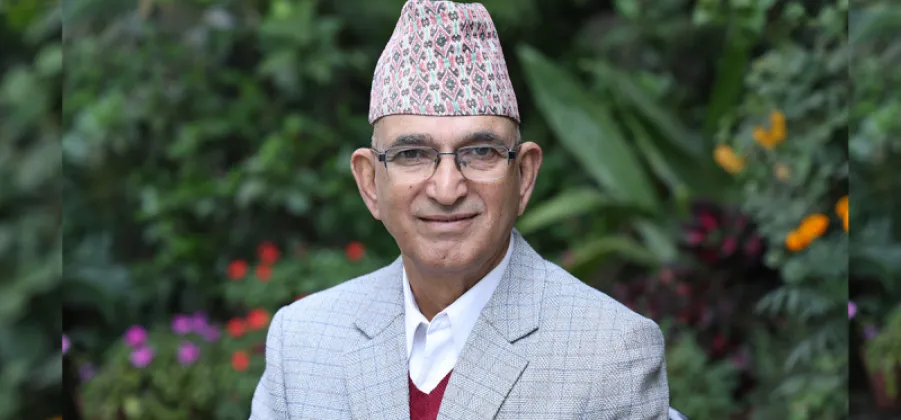
Veteran litterateur, epic poet and lyricist Khemnath Dahal has been selected to receive the Teeka Gopal National Song-Music Award-2083, an honour that recognises his contributions to Nepali song and music. The decision was taken at a meeting of the Teeka Gopal Pratisthan held in Kathmandu on Saturday, chaired by foundation chairperson Gita Singh. With the announcement, the foundation has placed one of the country's seasoned literary voices at the centre of this year's recognition in the field of song and music, underscoring a career that has moved across poetry, epic verse and lyrics.
The Decision and What It Recognises
The selection was finalised at the Pratisthan's meeting in the capital on Saturday. Chairperson Gita Singh led the session in which the recipient's name was agreed, as reported by Nagarik News and Rato Pati.
The essentials of the announcement can be summed up as follows:
- Recipient: Khemnath Dahal, veteran litterateur, epic poet and lyricist
- Award: Teeka Gopal National Song-Music Award-2083
- Decided by: Teeka Gopal Pratisthan, at a meeting held in Kathmandu on Saturday
- Chaired by: Gita Singh, chairperson of the foundation
The award's stated purpose, as reflected in the decision, is to recognise Dahal's contributions to Nepali song and music. Its title carries the Bikram Sambat year 2083, in line with the common Nepali practice of naming national honours after the year in which they are conferred, and it joins a wider family of awards through which Nepali institutions honour distinguished figures in literature and the arts.
A Career Across Verse, Epic and Song
Dahal is described in the announcement by three titles: litterateur, epic poet and lyricist. Together they sketch a creative life that spans several demanding fields of Nepali writing. As a litterateur he belongs to the broad world of Nepali letters; as an epic poet he has worked in one of the language's most exacting classical forms; and as a lyricist he has written in the sphere where words meet melody and travel to audiences far beyond the printed page.
Each of these registers carries its own weight in Nepali culture. Epic poetry has long been treated as a measuring stick of literary accomplishment, requiring sustained command of metre, imagery and narrative across extended verse. Lyric writing, meanwhile, lives in a different but equally powerful space: songs circulate through radio, performances, festivals and family gatherings, and the words that anchor them often enter collective memory in ways few other forms of writing achieve. Nepali song has historically drawn deeply from literature, with poets supplying the words that composers and singers carry to the public, and awards that name song and music specifically acknowledge that bridge between the written page and the performing arts.
Why Recognition of This Kind Matters
National awards in song and music serve purposes that reach well beyond the ceremony itself. For the recipient, they amount to formal acknowledgement from peers and institutions that decades of creative work have left a mark on the nation's cultural life. For the public, they draw attention to names and bodies of work that newer audiences may not know in full, prompting renewed interest in the honoured artist's output. In a media landscape where much of the attention goes to new releases and current hits, honours of this kind redirect the spotlight toward sustained contribution over the length of a career.
Foundations such as the Teeka Gopal Pratisthan play a steady role in this process. Working alongside the state's official honours, such organisations keep alive the practice of publicly celebrating writers, poets and musicians, often with a focus on fields that larger prizes may not cover in depth. By instituting a dedicated award for song and music, the foundation has underlined the importance of the lyricists and composers who carry the Nepali language into melody.
News of Dahal's selection was carried by Kathmandu-based media on Saturday, with both Nagarik News and Rato Pati reporting the foundation's decision and the role of chairperson Gita Singh in the meeting. Beyond the formalities of the announcement, the honour stands as the latest marker in a career devoted to the Nepali word, in verse, in epic and in song.


