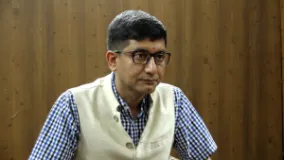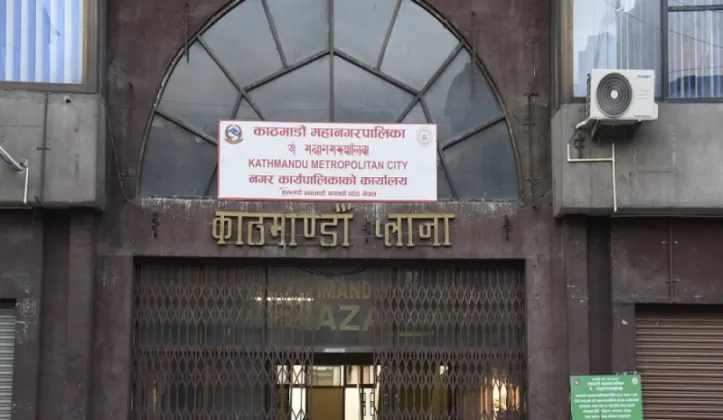
Kathmandu Metropolitan City has urged residents of the capital not to burn plastic waste in the open, warning that the risk of air pollution rises as the cold season sets in. The appeal was made public on November 5, 2026, as the metropolis drew attention to the mounting pressures on the valley's air ahead of winter. According to Sarita Rai, head of the metropolis's Environment Department, the main sources of air pollution include vehicle emissions, dust from roads and construction, smoke from industries and factories, and the open burning of plastic waste.
Metropolis flags heightened pollution risk as cold season begins
The notice from Kathmandu Metropolitan City ties the warning directly to the change of season. With the cold months beginning, the metropolis has moved to remind the public that pollution in the capital is driven by a handful of identifiable sources, and that one of them sits squarely within the reach of ordinary households.
The appeal was issued through the metropolis's Environment Department, which is headed by Rai. In making the warning public on November 5, the department listed the principal contributors to the capital's air pollution and singled out the burning of plastic waste as a practice residents should stop.
The message places a share of responsibility on city dwellers themselves. While the metropolis continues to grapple with pollution from transport, construction and industry, the department's appeal makes clear that smoke from burning plastic adds to the city's overall pollution load and can be avoided altogether through the choices residents make each day.
Four main sources of air pollution
According to the Environment Department, the air pollution affecting the capital stems primarily from four sources:
- Vehicle emissions from the traffic that moves through the capital's streets every day.
- Dust from roads and construction, raised from road surfaces and construction sites across the city.
- Smoke from industries and factories operating in and around the valley.
- Open burning of plastic waste, which sends smoke directly into the surrounding air when plastic is set alight.
The department's framing of these four sources gives residents a clear picture of where the capital's pollution comes from. It also underlines why the metropolis chose to address the public directly. Three of the four sources are tied to traffic, infrastructure and industry, while the fourth, the burning of plastic, is an act that any household or business can simply choose not to carry out.
Why plastic burning draws special attention
The metropolis's appeal focuses on plastic waste because of what happens when it burns. Plastic set alight in the open produces smoke that enters the air of the surrounding neighborhood immediately, and during the cold season the valley's conditions make it harder for such smoke to disperse. By asking residents not to burn plastic, the Environment Department is targeting a source of pollution that responds directly to changes in everyday behavior, without waiting for new infrastructure or regulation.
Winter conditions compound the risk
The timing of the appeal reflects a seasonal pattern familiar to the Kathmandu Valley. The valley's basin-like terrain limits how readily air, and the pollutants it carries, can move out of the area. When the cold season arrives, still and dense air near the ground holds smoke and dust in place, allowing pollutants to accumulate over the city rather than drift away.
For the capital's residents, the practical effect is that pollution released in winter lingers longer and builds up more than at other times of the year. This is the seasonal dynamic the metropolis is seeking to blunt with its appeal, by trimming one known source of smoke before the coldest weeks of the season arrive.
What the appeal means for residents
For the public, the metropolis's message is direct: do not burn plastic waste. The Environment Department headed by Rai has framed the request as a step residents can take to reduce pollution risks at precisely the time of year when the danger to the capital's air increases.
The appeal was reported by national media outlets, including Gorkhapatra Online and Ratopati, both of which carried the department's warning that pollution risks climb with the onset of the cold season.
For residents of the capital, the takeaway from the notice is straightforward. Keeping plastic out of open fires removes one of the four main sources of pollution identified by the Environment Department, and it is a step that requires no cost, no equipment and no waiting for larger interventions. As the cold season deepens over the valley, the appeal rests on that simple change in habit to help limit the capital's pollution in the weeks ahead.