
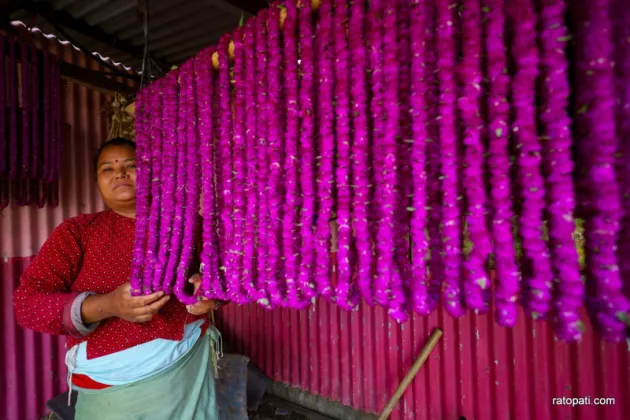
Kathmandu Metropolitan City has designated 33 locations within the capital for the sale and distribution of natural flowers, garlands and decorative materials for the upcoming Tihar festival, and has imposed a complete ban on the sale of plastic flowers and artificial decorations. The metropolis said the designated spots are intended for flowers grown by Nepali farmers, in a move aimed at promoting domestic products during the festival season, when demand for garlands and floral decorations reaches its annual peak.
Designated venues for festival flowers
According to Kathmandu Metropolitan City, the 33 sale points spread across the city will host traders selling natural flowers, garlands and other decorative materials throughout the Tihar period. The announcement, reported by RatoPati and Pradesh Khabar, positions these venues as the official marketplaces for festival floral needs within the metropolitan area.
The key measures announced by the metropolis are:
- 33 designated locations inside the city for the sale and distribution of festival flowers
- Permission to sell natural flowers, garlands and decorative materials at these spots
- A complete ban on the sale of plastic flowers, garlands and decorative items
- Priority for flowers grown by Nepali farmers
By concentrating sales at fixed venues, the metropolis expects to keep festival trading organized and make it easier for buyers to find fresh, locally grown garlands. In the days before Tihar, flower stalls traditionally line key intersections and market areas of the capital as households purchase garlands for worship, to honor elders and to decorate homes, shops and vehicles. Designating official sale points is intended to bring that bustling seasonal trade under one managed framework.
Complete ban on plastic decorations
Alongside the designated venues, the metropolis has prohibited the sale of plastic flowers, garlands and decorative items outright. The ban applies to artificial festival decorations that have become a familiar sight in Kathmandu's markets in recent years, often sold cheaply alongside natural garlands and favored by some buyers for their durability and low price.
The metropolis framed the restriction as part of its push to promote domestic products. The move is also expected to reduce the volume of plastic waste generated during the festival, since artificial garlands and ornaments are typically discarded once the celebrations end, adding to the city's post-festival waste burden. Natural flowers and garlands, by contrast, decompose after use and can return to the soil as compost rather than lingering in landfills and drains.
Support for Nepali flower farmers
A central aim of the initiative is to channel festival spending toward flowers produced by Nepali farmers. The metropolis said the designated spots are intended for domestically grown flowers, ensuring that the money spent on Tihar garlands benefits local growers rather than sellers of imported plastic goods. For flower farmers, whose harvests peak with the festival season, the designated venues offer a guaranteed and legitimate space to bring their produce to market at the busiest time of the year.
Tihar is the most important season on the floral calendar. Marigold, known in Nepali as sayapatri, and globe amaranth, or makhamali, are woven into garlands that are an essential part of the five-day festival of lights. The garlands are used during the worship of the goddess Laxmi, offered to the animals honored on different days of the festival, and placed around the necks of brothers during Bhai Tika, the concluding celebration. The floral trade surrounding the festival supports seasonal livelihoods for growers, transporters and vendors across the country.
A greener Tihar in the capital
The combination of designated sale points and the plastic ban signals the metropolis' effort to make the festival both better organized and friendlier to the environment. Shoppers are expected to turn to the 33 designated locations for natural garlands this season, while traders of plastic decorations will no longer be allowed to sell their goods within the city limits.
For buyers, the message from the metropolis is clear: this Tihar, festival decorations should come from Nepali soil rather than from plastic. The decision ties the celebration of the country's most colorful festival directly to its own farmers, linking tradition, local commerce and waste reduction in a single measure as the capital prepares for the lights, garlands and festivities of Tihar.


