
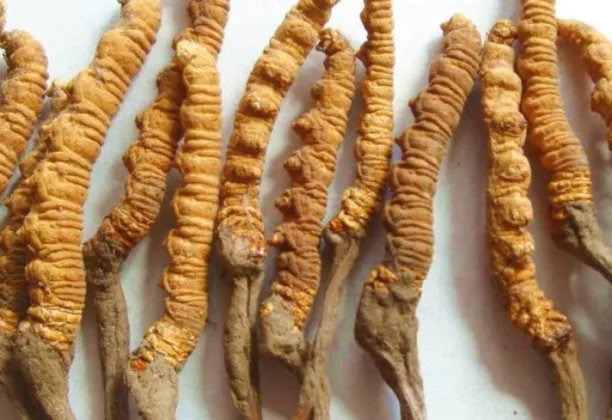
Karnali Province collected Rs 40.176 million in revenue from the sale of medicinal herbs in the last fiscal year, which concluded in mid-July, according to the provincial Ministry of Industry, Tourism, Forest and Environment. The collection was generated from 58 species of herbs, with royalty assessed on 181,609 kilograms of produce and a rate of Rs 50 per kilogram applied to the reported volume. The disclosure, reported by Khabarhub, Nagarik News and Ratopati, offers a rare quantified look at a trade that has long sustained households across the province's hills and high pastures, and that regularly crosses the Rs 4 crore mark in provincial earnings.
How the Figures Add Up
The ministry's numbers, while brief, sketch the shape of the trade clearly. Over the course of the fiscal year, 58 distinct species of medicinal herbs changed hands in quantities large enough to be formally assessed for royalty. The total volume recorded stood at 181,609 kilograms, and a revenue rate of Rs 50 per kilogram was applied to that volume under the province's forest revenue provisions.
Key figures from the disclosure:
- Total revenue: Rs 40.176 million for the fiscal year
- Species traded: 58 different medicinal herbs
- Volume assessed: 181,609 kilograms
- Royalty rate cited: Rs 50 per kilogram
In Nepal's forest governance framework, provinces levy royalties when high-value forest produce, including medicinal herbs and other non-timber forest products, is harvested and moved for sale. Collectors and traders pay the prescribed charge, which is recorded as provincial revenue rather than federal income. Karnali's Ministry of Industry, Tourism, Forest and Environment administers the system within the province, and the latest annual total confirms that herbal royalties remain a recognized, if modest, line in the provincial accounts. The headline figure reflects collections across all 58 species, and rates for individual herbs can vary, so the Rs 50 per kilogram rate cited for the reported volume sits within a broader, species-specific structure that the ministry has not detailed in its public summary.
A Trade Rooted in Karnali's High Hills
Karnali is Nepal's largest province by area and among its most sparsely populated, a landscape of deep river gorges, mid-hill forests and alpine meadows that rise toward the Tibetan plateau. That terrain is precisely what makes the province a reservoir for medicinal plants. Herbs gathered from community and national forests, and from high pastures during short summer seasons, have for generations supplemented household incomes in districts where farming options are narrow and off-farm employment is scarce.
Species long associated with the region's herbal economy, such as yarsagumba, satuwa, jatamansi and kutki, command market prices far above the royalty rates assessed on them, which is why the trade continues to attract collectors even from the remotest villages. Much of the produce leaves the province in raw or semi-processed form, moving through traders to urban markets within Nepal and, historically, across the border to India and China. For a province that has long ranked at the bottom of Nepal's development indicators, these herbal resources represent one of the few natural endowments that generate cash income in areas where few other commodities reach the market profitably.
What Rs 40 Million Means for the Province
Under Nepal's federal structure, revenue derived from natural resources is shared among the three tiers of government, which gives provincial collections such as this one a direct fiscal stake in how forests and herbs are managed. Rs 40.176 million is a small sum next to the province's overall budgetary requirements, but it is recurring income tied to a renewable resource, and it formalizes a commerce that might otherwise remain entirely informal.
The disclosure also carries a policy signal. Every kilogram assessed for royalty is a kilogram that passed through official channels rather than informal routes, and the 181,609-kilogram figure indicates that the formal trade is substantial in volume even if its revenue yield remains modest. Rates such as the Rs 50 per kilogram applied to the reported volume determine how much of the trade's value stays with the province where the herbs are actually harvested, and the ministry's annual accounting gives both administrators and the public a baseline for judging whether that balance is right.
Looking Ahead
Any discussion of the herb economy's future in Karnali starts from familiar themes: processing herbs within the province so that more value is added locally, improving harvesting practices so that collection remains sustainable year after year, and strengthening market information for the collectors who do the hard work of gathering. The revenue data released for the last fiscal year gives that conversation concrete starting numbers: 58 species, 181,609 kilograms and Rs 40.176 million in provincial earnings.
As annual disclosures accumulate, they will show whether the formal herb trade in Karnali is growing, shrinking or holding steady, and whether the province's share of the value its forests produce is rising along with it. For now, the latest figures confirm a simple point about the province's economy. In Karnali, the forests and pastures above the villages are not just scenery. They are a working part of the provincial exchequer, contributing tens of millions of rupees a year, one kilogram of herbs at a time.


