
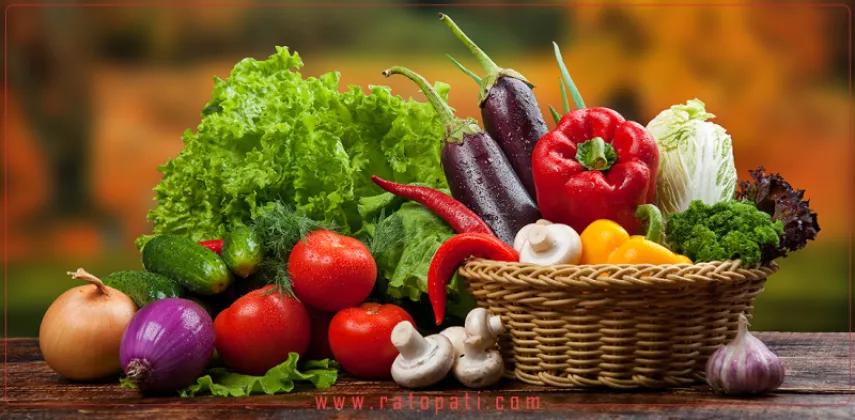
The Kalimati Fruits and Vegetable Market Development Committee has published its wholesale price list for agricultural produce, fixing the reference rates at which vegetables and fruits are being traded at the country's largest wholesale market for fresh produce in Kathmandu. According to the updated list, the maximum price of large Nepali tomatoes is 70 rupees per kilogram, while small tomatoes are priced at 40 rupees. The latest rates point to a mixed picture for shoppers and traders alike: prices of some vegetables, including cauliflower and tomatoes, have fallen, while okra and mushrooms have become more expensive. Large tomatoes of Indian and Nepali origin are listed at 65 rupees per kilogram. The updated rates were carried by RatoPati.
Tomato Rates Lead the List
Tomatoes, a daily staple in Nepali kitchens, remain the most closely watched item on the Kalimati price list, and the new rates are structured according to size and origin. The maximum wholesale rate for large Nepali tomatoes has been set at 70 rupees per kilogram, while small tomatoes carry a rate of 40 rupees. Large tomatoes of both Indian and Nepali origin are listed at 65 rupees per kilogram.
- Large Nepali tomatoes: maximum 70 rupees per kilogram
- Small tomatoes: 40 rupees per kilogram
- Large Indian and Nepali tomatoes: 65 rupees per kilogram
The separate rates allow traders to buy and sell according to the grade of produce moving through the market on a given day. They also give retailers and consumers a clearer sense of what the raw material for daily cooking should cost before shop margins are added. Because tomato prices feed directly into everyday meals, any softening at the wholesale level is quickly felt by households, and the fact that tomato rates appear among those that have declined will come as welcome news to many buyers.
Cauliflower Cheaper, Okra and Mushrooms Costlier
The committee's update shows prices moving in different directions across the vegetable basket. Cauliflower features among the items whose rates have fallen, joining tomatoes on the cheaper side of the list. For families that rely on these vegetables as regular parts of their diet, the reductions offer some breathing space in the weekly food budget.
On the other side of the ledger, okra and mushrooms have become more expensive. The increase means sellers of these items are fetching higher wholesale rates, while consumers who favour them will need to pay more at the retail counter. The opposing movements within a single day's list underline how conditions can vary from crop to crop even within the same market.
Prices at Kalimati generally fluctuate with the volume of produce arriving from farming areas across the country, which shifts with the seasons and harvest cycles. When the supply of a particular vegetable rises, its wholesale rate tends to ease, and when arrivals thin out, prices climb. The mixed pattern in the current list, with some rates falling and others rising, fits within those well-established market dynamics.
Kalimati's Role in the Country's Food Trade
Kalimati, situated in the capital, serves as the central wholesale hub for fruits and vegetables in Nepal. Produce grown by farmers across the country is assembled at the market and channelled to retailers, street vendors and bulk buyers throughout the Kathmandu Valley and beyond. Because of this position, the rates recorded at Kalimati function as a reference point for the wider trade in fresh produce.
The market development committee publishes the price list on a regular basis to bring transparency to daily transactions. The list spans a broad range of agricultural produce, covering fruits as well as vegetables, and traders use the published figures to settle their deals. Retailers consult the same rates before setting shop prices, and media outlets draw on them to keep the public informed. Since retail sellers add their own margin on top of the wholesale rate, the committee's figures effectively set the baseline for what consumers ultimately pay in markets and stores.
What the Latest Rates Mean for Buyers and Sellers
For shoppers, the declines in tomatoes and cauliflower are the standout feature of the new list, pointing to cheaper options among the most commonly purchased vegetables. Households planning their purchases can use the published rates to compare prices before heading to the market, an advantage that becomes particularly useful when rates are moving unevenly across the basket.
For farmers and wholesale traders, the higher rates for okra and mushrooms signal firmer returns on those crops at the wholesale level. At the same time, the softer prices for tomatoes and cauliflower suggest tighter conditions for those currently trading in those items. By capturing both movements in a single document, the committee's list gives every participant in the chain, from grower to retailer, a common reference for the day's business.
With the updated rates now in effect, the Kalimati list once again offers the clearest snapshot of where the country's fresh produce trade stands, covering everything from everyday staples such as tomatoes and cauliflower to items like okra and mushrooms whose prices are currently on the rise.


