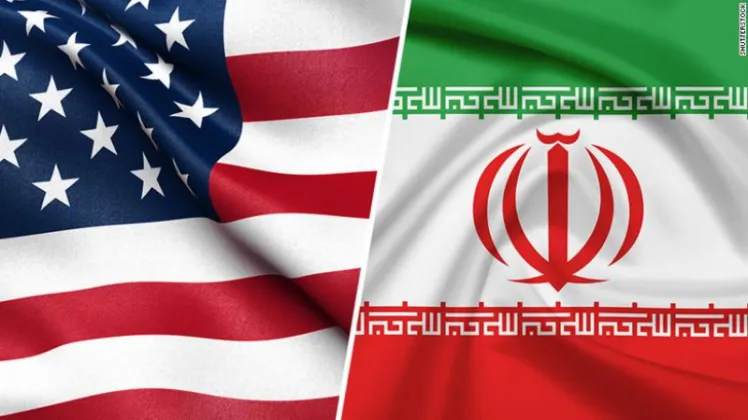
Iran has expressed dissatisfaction with the latest US response aimed at ending the war in the Middle East, calling the proposal inadequate and warning that a renewed escalation could put regional digital infrastructure at risk. The warning covers data centres, communication cables and infrastructure related to artificial intelligence, adding a new point of concern as tensions in the region continue to rise.
Iran says the US response falls short
Iran’s reaction indicates that the latest US response has not met its expectations for ending the conflict. Tehran has described the proposal as inadequate, signalling that it does not regard the response as sufficient to resolve the issues at the centre of the effort to end the war. The available information does not set out the proposal’s terms or specify which elements Iran considers unacceptable.
The distinction matters: dissatisfaction with a proposal does not, on its own, establish that diplomatic efforts have ended. But Iran’s public criticism shows that the latest response has not produced agreement between the sides. With the war continuing to shape the regional situation, the disagreement leaves the effort to reach an end to the conflict under pressure.
The proposal is described as part of an effort by the United States to end the Middle East war. Iran’s response therefore places the focus on whether the two sides can move beyond their current differences. For now, the reported position from Tehran is that the US response is not enough, while the details required to assess the gap between the two positions have not been specified in the information available.
Warning over data centres and communication links
Alongside its criticism of the proposal, Iran has warned that if the war escalates again, it could target regional data centres, communication cables and artificial intelligence-related infrastructure. The warning is conditional: it refers to what could happen in the event of renewed escalation, rather than describing an attack that has already taken place.
The potential targets named by Iran extend beyond conventional military sites. Data centres, communication cables and AI-related infrastructure are digital assets and systems, and the warning places them within the range of possible consequences Tehran has raised if the conflict intensifies. The statement does not identify specific facilities, countries or operators, and it does not provide details about how any such targets might be selected.
That lack of specificity means the warning should be understood as a broad threat rather than a confirmed plan against named sites. Even so, naming these categories of infrastructure widens the scope of concern around a possible escalation. The prospect raised by Iran is that the consequences of renewed conflict could involve regional digital infrastructure as well as the wider security situation.
Rising tensions add pressure to the peace effort
The developments come amid rising tensions in the region. Iran’s rejection of the latest US response and its warning about possible infrastructure targets are separate parts of the same moment: one concerns the gap over a proposal to end the war, while the other signals the risks Tehran says could follow if the conflict escalates again.
The warning does not establish that escalation is inevitable, nor does Iran’s dissatisfaction alone determine whether a settlement can be reached. It does, however, underline the uncertainty surrounding the effort to end the conflict. A proposal that Tehran considers inadequate has not resolved the immediate disagreement, and the conditional warning adds to the concerns associated with a further deterioration in the situation.
For now, the key points are Iran’s rejection of the latest US response as insufficient and its warning that regional data centres, communication cables and AI-related infrastructure could be targeted if the war escalates again. No further details about the proposal, Iran’s specific objections or any identified infrastructure targets were provided in the information available. The next stage of the effort to end the war will depend on whether the parties can address the differences reflected in Tehran’s response, while avoiding the escalation Iran has warned about.