
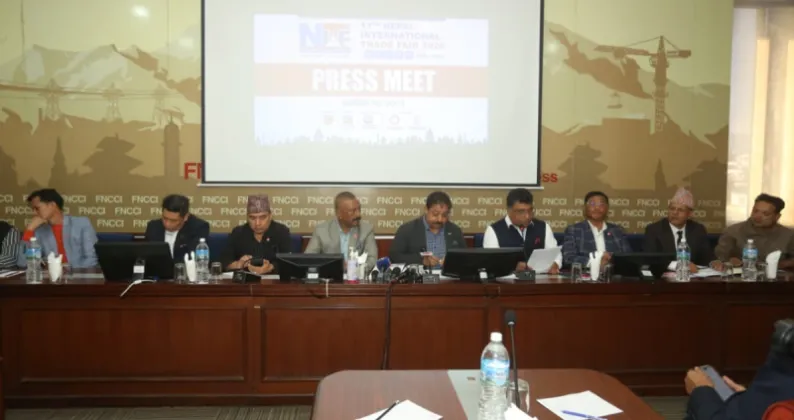
Kathmandu is preparing to host an international trade fair beginning on Mangsir 17, with businesspeople from five countries set to take part, according to reports published by Nepali news outlets Nepal Samaya and Thaha Khabar. The event, being held under the title Nepal International Trade Fair, is expected to bring together domestic and foreign entrepreneurs in the capital, adding to Kathmandu's calendar of business and commercial gatherings. While the announcement confirms the starting date and the international scope of the fair, both reports stopped short of providing further specifics about the event.
Businesspeople from Five Countries Confirmed
The most notable detail emerging from the reports is the confirmed participation of business representatives from five countries. Neither Nepal Samaya nor Thaha Khabar identified which countries the participating businesspeople will represent, leaving that question open for now. The five-country presence, however, signals that the fair is being positioned as more than a domestic exhibition, with an emphasis on cross-border business engagement.
International participation of this kind is typically sought by organizers of trade fairs because it allows Nepali entrepreneurs to meet potential foreign buyers, distributors and partners in one place. For visiting businesspeople, such events offer a consolidated view of Nepali products and services, ranging from handicrafts and agro-based goods to manufactured items, although the reports did not specify which sectors will be represented at this fair. The breadth of participation will become clearer as organizers release fuller details closer to the opening date.
Key Details Still Awaited
Beyond the date and the participating countries' headcount, the published reports left several basic questions unanswered. Readers following the story will be looking for the following specifics, none of which were included in the initial coverage:
- The venue in Kathmandu where the fair will be staged
- The total duration of the event and its daily opening schedule
- The identity of the organizer, whether a government body, a business association or a private event company
- The number of stalls or exhibition booths expected
- The names of the five countries sending business delegations
- The product categories and services that will be on display
- Entry arrangements for the general public and any ticketing information
The absence of these details suggests that the announcement has come ahead of a fuller information rollout. Organizers of large trade events in Nepal commonly release venue, stall and participation details in phases, with media briefings and promotional campaigns following the initial date announcement. Until such information is made available, the Mangsir 17 starting date and the five-country participation figure remain the only confirmed elements of the fair.
Timing on the Nepali Calendar
The choice of Mangsir places the fair in a commercially active stretch of the Nepali calendar. Mangsir, the eighth month of the Nepali calendar, generally spans mid-November to mid-December, falling shortly after the Dashain and Tihar festive season when household spending and market activity traditionally remain elevated. Events held in this window often benefit from consumers and business buyers who are still in a post-festival spending mood, making it a period frequently favored for exhibitions and sales-oriented events in Kathmandu.
For business-to-business purposes as well, the timing can be practical. The end of the calendar year is when many trading firms review supply arrangements and plan for the following year's orders, and a fair held in this period gives exporters a chance to present their products to visiting buyers ahead of those decisions. Whether the organizers of the Nepal International Trade Fair had these considerations in mind has not been stated in the available reports.
Why Trade Fairs Matter for Nepal's Business Community
Trade fairs have long served as a marketing and networking tool for Nepal's business community, particularly for small and medium-sized enterprises that lack the budgets for sustained individual promotion in foreign markets. A single venue hosting domestic exhibitors alongside foreign buyers reduces the cost of market access for smaller producers, who can display samples, take orders and gather market feedback without leaving the country.
Such events also serve a promotional function for the wider economy. Fairs held in Kathmandu routinely double as showcases for


