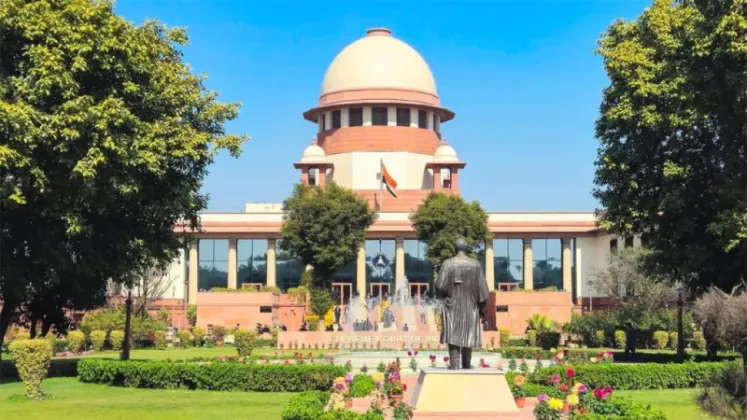
India’s Supreme Court has ruled that a person who changes religion cannot claim caste-based reservation benefits on the basis of their former caste identity, in a case from Tamil Nadu involving a person who converted to Islam. The court said that someone recognised as belonging to a backward class or a Scheduled Caste within the Hindu social order cannot rely on that earlier status to claim reservation after adopting another religion.
What the court clarified
The ruling addresses whether a person’s caste identity, as recognised in the Hindu social order, continues to provide a basis for reservation eligibility after a religious conversion. The court’s answer, as reported, was that the earlier social status cannot be used to claim those benefits after the person has adopted another religion.
The decision therefore makes religious conversion central to the question of eligibility in the case. It is not enough, under the clarification, for a person to point to a caste identity they held before converting. The court drew a distinction between that former status and the person’s position after conversion when assessing a claim to caste-based reservation.
The case concerned an individual from Tamil Nadu who converted to Islam. The ruling was delivered in response to that dispute, and the court’s clarification covered claims based on both backward-class and Scheduled Caste identity in the Hindu social order. The available report does not identify the person in its summary, so the decision is best understood through the eligibility question it addresses rather than personal details of the claimant.
Why the ruling matters
Reservation benefits are tied to recognised social categories, and the court’s ruling concerns whether a person can continue to claim those benefits by relying on a category associated with their earlier religious identity. By saying that such a claim cannot be based on former status after conversion, the court has clarified how it views the link between caste identity and religious change in this case.
The ruling does not, in the information reported, set out a broader account of every reservation category or every possible circumstance involving religious conversion. Its stated focus is narrower: a person belonging to a backward class or a Scheduled Caste in the Hindu social order cannot claim caste reservation on the basis of that earlier status after adopting another religion. The case itself involved conversion to Islam.
That distinction is important for people considering claims based on past social classification. The court’s position, as described in the report, is that the earlier identity does not automatically carry forward as a basis for reservation once a person has changed religion. The ruling thus resolves the specific issue raised in the Tamil Nadu case while clarifying the principle applied to the claimant’s former status.
The case from Tamil Nadu
The Supreme Court ruling arose from a dispute involving a person who had converted to Islam and sought reservation benefits based on caste identity. The court rejected the premise that a caste classification within the Hindu social order could, by itself, continue to support such a claim after conversion. Its clarification covered a person identified as belonging to either a backward class or a Scheduled Caste before adopting another religion.
The decision was reported by Onlinekhabar. The report describes the court’s ruling as a bar on claiming caste reservation benefits on the basis of caste identity following religious conversion. It does not, in the information available here, provide further details about the claimant or the procedural history of the case.
The central takeaway is that the Supreme Court has linked the reservation claim in this matter to the person’s status after conversion, rather than allowing the former caste identity to remain the basis for eligibility. For the Tamil Nadu case, the court concluded that a person who converted to Islam could not claim caste-based reservation benefits by relying on their earlier status in the Hindu social order.