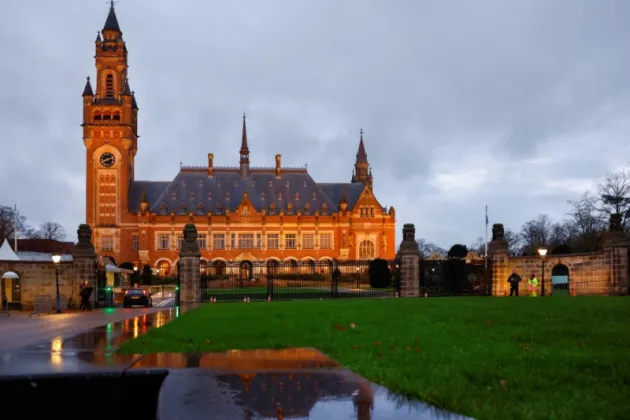
The International Court of Justice (ICJ), the United Nations’ highest court, will deliver its verdict on November 19 in a case concerning Myanmar’s treatment of the Rohingya, bringing a seven-year period of judicial consideration to a decision. The case was brought by The Gambia, which accuses Myanmar of breaching the 1948 UN Genocide Convention through its repression of the Rohingya. The judges have been weighing the accusations for seven years.
A case brought under the Genocide Convention
The proceedings focus on allegations that Myanmar’s actions against the Rohingya violated the Genocide Convention, the international agreement adopted in 1948. The Gambia brought the case, asking the court to consider whether Myanmar’s treatment of the community amounted to a breach of its obligations under that convention.
The case places the treatment of the Rohingya before an international court in a formal legal process. Rather than dealing with the issue only as a political dispute or a matter of public criticism, the proceedings require judges to assess the accusations made by The Gambia. The court’s November 19 verdict will set out its conclusions on the case after years of consideration.
The core allegation, as described in the case, is that Myanmar breached the convention through its repression of the Rohingya. The distinction between an accusation and a judicial finding is central: The Gambia has advanced the claim, while the ICJ’s role is to rule on the case. The verdict will therefore mark the court’s decision on the allegations that have been before its judges.
Seven years of judicial consideration
The judges have spent seven years weighing the accusations. That period underlines the length of the proceedings and the seriousness with which the case has been considered. The announcement of a verdict date now gives the process a defined next step: the court is scheduled to deliver its decision on November 19.
The case has drawn its legal basis from the 1948 convention, making the question of Myanmar’s compliance with that agreement central to the court’s consideration. The Gambia’s claim is specifically framed as an alleged breach of the convention through repression of the Rohingya. The court’s judgment will resolve the question placed before it in this case, rather than simply restating the accusation.
The available information does not specify what findings the judges will make or what the verdict will contain. Until the ruling is delivered, the allegations remain claims brought by The Gambia, and the outcome remains for the court to determine. The scheduled date is the key development in the case: after seven years of judicial consideration, the ICJ is set to issue its decision.
What the November 19 decision will address
The verdict will concern the case over Myanmar’s treatment of the Rohingya and the allegation that the country breached the Genocide Convention. For The Gambia, the proceedings are a legal challenge to Myanmar’s conduct under the international agreement. For the court, the task is to issue its ruling on the accusations presented in the case.
The decision will bring the current phase of the proceedings to a conclusion, though the information available does not describe what steps, if any, may follow after the verdict. The ruling will provide the court’s answer to the legal claims that have been under consideration for seven years. Its substance, and the specific conclusions the judges reach, will become clear when the ICJ delivers the decision on November 19.