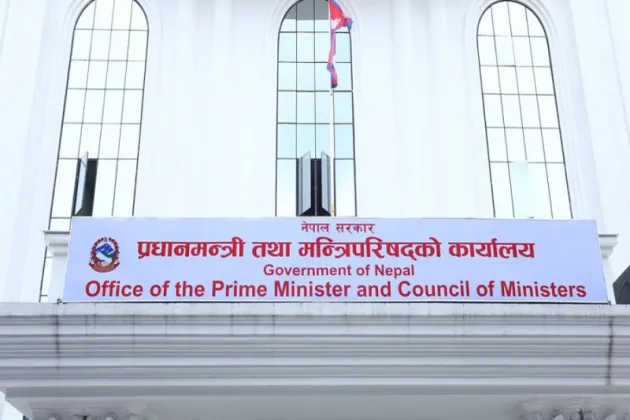
Kathmandu - The Government of Nepal has announced that it will move to effectively implement its multisectoral action plan for the prevention and control of non-communicable diseases (NCDs), a decision the government says is aimed at curbing such illnesses and accelerating reforms in the public health sector. The announcement carries two parallel commitments: the multisectoral approach will be strengthened in coordination with relevant sectors, and prevention and public awareness will be placed at the centre of the country's response to chronic disease.
Strengthening the Multisectoral Approach
According to a report published by My Republica, the government has underlined that the existing action plan will be put into effect with the involvement of all relevant sectors, rather than being treated as a document confined to the health ministry. The government said the multisectoral approach will be strengthened in coordination with the sectors concerned, an acknowledgement that the conditions driving chronic disease reach far beyond clinics and hospitals.
That framing matters. Non-communicable diseases, such as cardiovascular ailments, diabetes, cancers and chronic respiratory conditions, develop over long periods and are closely tied to everyday environments and habits, including what people eat, whether they use tobacco or alcohol, how physically active they are and the quality of the air they breathe. The policies that influence those factors are spread across government, which is precisely why a multisectoral plan seeks to align them. When sectors that shape food, education, urban living and public information move in the same direction as health services, prevention has a far better chance of succeeding.
Prevention and Public Awareness at the Core
The government's emphasis on prevention and public awareness, as reported by RatoPati, reflects the practical reality that chronic diseases are best addressed before they take hold. NCDs often progress silently for years, and by the time symptoms become severe, treatment is more complex and more costly, both for the health system and for affected families.
Public awareness works as a first line of defence. Health education helps people understand the risk factors behind non-communicable diseases, recognise warning signs early and make informed choices about diet, physical activity and timely check-ups. Prevention-oriented action also reduces long-term pressure on hospitals, which is particularly significant for a public health system working to expand access while managing limited resources.
The key elements of the government's stated approach include:
- Effectively implementing the multisectoral action plan for the prevention and control of NCDs
- Strengthening the multisectoral approach in coordination with relevant sectors
- Emphasising prevention and public awareness as central tools of disease control
- Accelerating reforms within the public health sector
Linking Disease Control to Health Sector Reform
The government framed the decision as serving a second objective alongside disease control: accelerating reforms in the public health sector. The connection is a natural one. Chronic illnesses demand sustained care, from early screening and counselling to the long-term management of conditions such as diabetes and heart disease, and a health system that is being reformed is better placed to deliver those services reliably.
Effective implementation of the action plan is expected to reinforce that reform agenda in turn. A plan that coordinates multiple sectors around prevention eases the burden of late-stage treatment, while a reformed public health sector provides the infrastructure through which prevention, detection and care actually reach people. The two commitments are designed to support each other, according to the government's announcement.
The Road Ahead
Announcing a plan is one step; implementing it effectively is another, and the government's own use of the phrase "effectively implement" signals that execution will be the measure of success. For a multisectoral plan, that will depend on sustained coordination among the sectors involved, consistent follow-through over time and clear communication with the public so that awareness translates into lasting behavioural change.
For now, the message from Kathmandu is unambiguous. The government intends to move its multisectoral action plan against non-communicable diseases from paper to practice, pairing coordinated action across sectors with a prevention-first, awareness-driven public effort, and using that momentum to push forward wider reforms of the public health sector.