
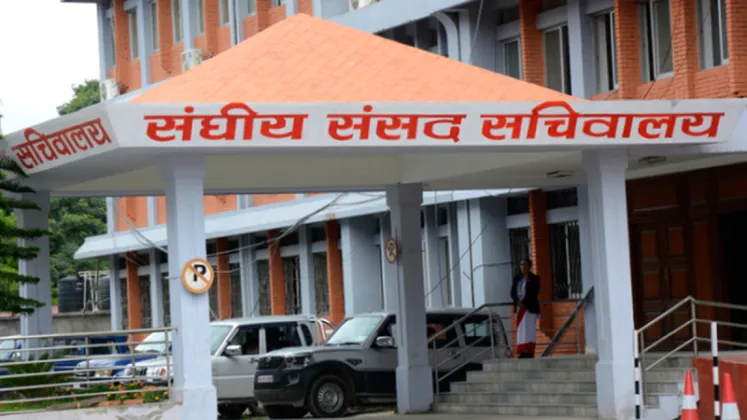
Four parliamentary committees are scheduled to hold meetings today, with two committees of the National Assembly among those convening, according to separate reports published by Nepali news outlets Nepal Lead and Nepal Samaya. The sessions fall within the routine parliamentary business that continues alongside the regular proceedings of the Federal Parliament, and education figures among the themes to be covered across the day's meetings. While the initial reports did not list every agenda item, the combination of four committee meetings in a single day points to a steady volume of scrutiny and deliberation under way within Nepal's parliamentary structure.
Four Meetings on Today's Parliamentary Calendar
What the Reports Confirm
As reported by both Nepal Lead and Nepal Samaya, today's schedule includes four separate committee meetings, two of which involve committees of the National Assembly. The key points from the coverage are:
- Four committee meetings: The day's calendar covers four separate committees, each holding its own session.
- Two National Assembly committees: Among the four, two are committees of the National Assembly, the upper house of the Federal Parliament, meaning both the meetings and the chamber they belong to are part of today's business.
- Education on the agenda: Education is identified among the themes covered in today's round of meetings.
- Routine business: The gatherings are described as part of the ongoing flow of parliamentary work rather than special or one-off convenings.
Details Not Yet Specified
Beyond these points, the initial reports did not specify the full names of the committees, the detailed agendas, the venues, or the officials expected to attend. Parliamentary committees ordinarily make their schedules and decisions known through the parliament's own channels, and the finer points of sessions like these, including the specific subjects taken up and any conclusions reached, generally become clearer once the meetings conclude and committee representatives speak publicly about the outcomes.
Why Committee Work Matters in the Federal Parliament
Nepal's Federal Parliament operates as a bicameral legislature, made up of the House of Representatives and the National Assembly. Committees in both chambers carry out the detailed work of the legislature: examining proposed legislation line by line, reviewing the government's plans and spending, seeking answers from ministers and government agencies, and conducting studies and monitoring of public programs. Because plenary sittings are often devoted to broader debate, much of the substantive examination of policy takes place at the committee level.
A day in which four committees meet, including two from the National Assembly, therefore reflects the regular rhythm of this oversight work. Since both chambers maintain their own committee structures, simultaneous meetings across the two houses are a familiar feature of an active parliamentary period. Committee settings also allow members to question officials and examine documents more closely than is usually possible in the full chambers, and the findings, suggestions and directives that emerge from these sessions frequently feed back into legislation and government decision-making.
For readers, committee meetings are also an early indicator of which subjects are receiving legislative attention. Even when a session does not produce an immediate headline, the discussions held and the questions raised can signal how particular policy areas are likely to move in the weeks ahead.
Education Among the Themes
Among the themes covered in today's meetings is education. The reports identify education as one of the subjects on the table, although they do not detail which specific education matters are up for discussion or which of the four committees will be taking them up.
Education has remained one of the most closely followed sectors in Nepal's public policy conversation. It touches households in every province and involves all three tiers of government under the federal structure, from national curriculum and higher education policy to the day-to-day operation of community schools by local governments. Committee-level attention to the sector is a recurring feature of parliamentary business, and deliberations at this stage can influence how legislation, budgets and programs affecting schools, teachers and students develop over time.
Because the reports do not specify the precise education-related items before today's committees, readers awaiting concrete outcomes will need to look to follow-up reporting once the sessions wrap up and any decisions are announced.
What Comes Next
With the meetings scheduled for today, the immediate focus will be on what each committee discusses and decides. Outcomes of such sessions typically become known through committee statements, decisions recorded in the minutes, and subsequent reporting by journalists who cover the parliament. The initial reports from Nepal Lead and Nepal Samaya are expected to be followed by further updates as the committees conclude their work.
For now, the day's lineup underscores that parliamentary business is proceeding on multiple fronts at once. Four committees convening simultaneously, with the National Assembly's committees among them, signals continued engagement by lawmakers on subjects that include education, even as the finer details of the discussions remain to be made public. As agendas are elaborated and outcomes are reported, a fuller picture of what today's meetings accomplished is likely to emerge.


