
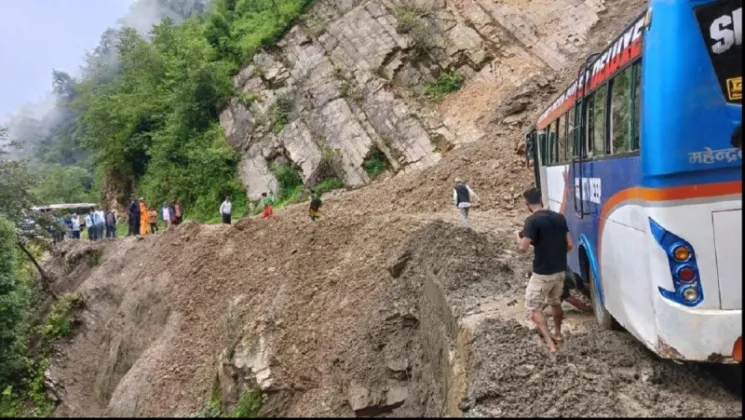
Floods and landslides have blocked several major highways across Nepal, halting traffic on key routes in different parts of the country. The disruptions were reported by Nepali media outlets Nepal Samaya and Nepal Views, both of which described blockages on various highways nationwide. No casualties were mentioned in the initial reports, and neither outlet named the specific roads that had been affected or indicated when normal traffic might resume. The news underscores the recurring vulnerability of Nepal's road network, much of which winds through steep, landslide-prone terrain that becomes unstable during the rainy season.
Blockades Reported Across the Country
According to the reports, the blockages are not confined to a single corridor. Both Nepal Samaya and Nepal Views indicated that floods and landslides have obstructed various highways in different regions of the country, bringing the movement of passenger vehicles and freight to a standstill on important routes. For travelers, transport operators and businesses that depend on road access, the sudden loss of these links can mean long waits at blockade points, missed connections and disruptions to the supply of essential goods.
The initial reporting, however, left many questions unanswered. The points confirmed so far include:
- Floods and landslides have blocked various major highways across Nepal.
- Traffic on key routes has been halted in different parts of the country.
- No casualties were mentioned in the initial reports.
- The specific highways affected, the extent of the obstruction and expected reopening times were not disclosed.
Because the affected roads were not identified, it remains unclear which districts have been cut off, how long the blockages extend along each route, or whether any vehicles were stranded at the time the reports were published. Further details are expected to emerge as authorities assess conditions on the ground.
Lifeline Roads Vulnerable During the Monsoon
The latest blockages fit a familiar seasonal pattern. Nepal's highways climb from the plains of the Tarai through the mid-hills and toward the mountains, often cut into steep slopes and following river valleys. During the monsoon, which generally lasts from June to September, sustained rainfall saturates these slopes and swells the rivers beside which many roads run, making landslides and floods the leading cause of road closures across the country.
In many hill and mountain districts, a single highway serves as the primary connection to the rest of the country. When that road is blocked, entire settlements can be temporarily isolated, and the movement of food, fuel, medicine and other supplies can be delayed until the route is cleared. Even where alternative routes exist, diversions are frequently longer, rougher and slower, adding cost and travel time for passenger and goods vehicles alike.
The disruption also affects the flow of traffic to and from the Kathmandu Valley, which depends on its highway links with the provinces for the bulk of its food, fuel and consumer goods. While the current reports did not specify which corridors are affected, blockades on any major route typically have knock-on effects well beyond the immediate closure point, as buses, trucks and private vehicles are held up or forced to turn back.
Clearance Efforts and Official Response Still Unclear
The reports available so far did not include statements from government agencies, road authorities or security forces, and did not describe any clearance operations underway. In past monsoon seasons, such blockades have often required excavators, dozers and crews from road agencies and the security services to remove debris and stabilize slopes before traffic can safely resume, a process that can take anywhere from a few hours to several days depending on the scale of the damage.
The timing of any reopening will likely depend on factors that have not yet been reported, including the volume of debris on each road, the condition of the slopes above them and whether further rain is expected in the affected areas. Continued rainfall is a particular concern, because it can trigger fresh landslides on cleared sections and complicate repair work, prolonging the disruption for travelers and freight operators.
What Travelers Should Keep in Mind
For those planning journeys in the coming days, the situation remains fluid. Travelers are generally advised to confirm road conditions with local authorities or transport operators before setting out, carry adequate food, water and warm clothing for unexpected delays, and be prepared for sudden changes in plans as conditions on the highways evolve. Extra time should be allowed for any trips that depend on the affected routes.
Motorists passing through hilly sections are also commonly urged to remain alert for falling rocks, muddy patches and waterlogged stretches of road, and to avoid stopping at points where slopes loom directly above the carriageway. With the rainy season still in progress, further temporary closures on other sections of the network remain possible.
As of the latest reports, the full picture of the blockages across Nepal's highways was still developing. More specific information on the affected roads, the scale of the disruption and the progress of clearance work is expected to become available as authorities and local officials release further updates.


