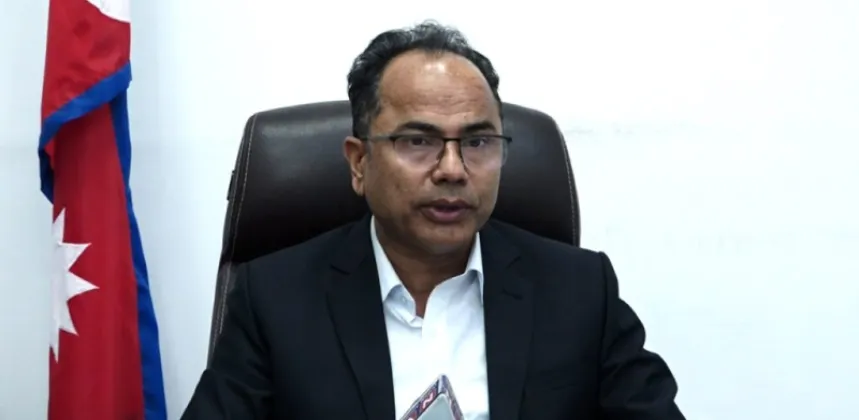
Dr Dharmaraj Upreti, executive chief of Nepal’s National Disaster Risk Reduction and Management Authority, said disaster resilience and preparedness must begin at the household level while speaking in Kathmandu on the International Day for Disaster Risk Reduction. He stressed the importance of identifying risks, using early warning information, preparing in advance and building community capacity. Disaster management, he said, should not be confined to rescue and relief after an emergency has already occurred.
Preparedness begins before a disaster
Upreti’s message places households at the centre of disaster risk reduction. Preparedness at that level means that awareness and readiness are not solely matters for government agencies to address after an incident. Families and communities have a role in understanding the risks they face and taking preparation seriously before a hazard becomes an emergency. The remarks, reported by Onlinekhabar, emphasised household readiness as a starting point for wider resilience.
Risk identification is an essential part of that approach. People need to recognise the risks relevant to their surroundings so that preparedness can respond to those risks, rather than being treated as a general idea. Upreti highlighted risk identification alongside early warning, preparedness and community capacity building. Taken together, those priorities point to a process that begins with understanding potential danger, continues through readiness and warning, and depends on the ability of people to respond.
Early warning was another element he stressed. Warnings can help people prepare, but their value is closely connected to whether households and communities are ready to act on them. His emphasis on the household level therefore links awareness of risk with practical readiness. The remarks did not present disaster response as a single action taken by authorities; they underscored the importance of preparedness being rooted among the people who may be affected.
Beyond rescue and relief
Upreti also cautioned against limiting disaster management to rescue and relief. Those activities address urgent needs after a disaster, but his comments called for attention to the stages before an event as well. Risk identification, early warning and advance preparation broaden the focus from responding to damage towards reducing risk and strengthening readiness. Community capacity building, which he also highlighted, is part of that wider view.
The distinction matters because a response focused only on rescue and relief begins when a disaster has already happened. A broader disaster management approach also considers what can be done in advance and how people can be better prepared. Upreti’s comments place these elements together: households need to recognise risks, preparedness must be developed before an emergency, and communities need capacity to take part in disaster risk reduction. The statement does not diminish the importance of rescue or relief; rather, it argues that they should not define the whole of disaster management.
Building resilience through communities
The household-level emphasis also connects individual readiness to collective capacity. Upreti identified community capacity building as a priority, indicating that resilience is not only a matter of what one household can do on its own. Prepared communities can form part of a broader preparedness effort, while household awareness provides a foundation for that work. The remarks present these levels as connected rather than competing: preparedness starts at home and must also be supported through stronger capacity in the community.
Speaking in Kathmandu on the International Day for Disaster Risk Reduction, Upreti’s central message was that resilience requires attention before a disaster strikes. Identifying risks, paying attention to early warnings, preparing in advance and strengthening community capacity all feature in that approach. His call to begin at the household level sets out a clear starting point, while his warning against a rescue-and-relief-only model points to a broader responsibility: disaster management must include readiness and risk reduction as well as action after an emergency.