
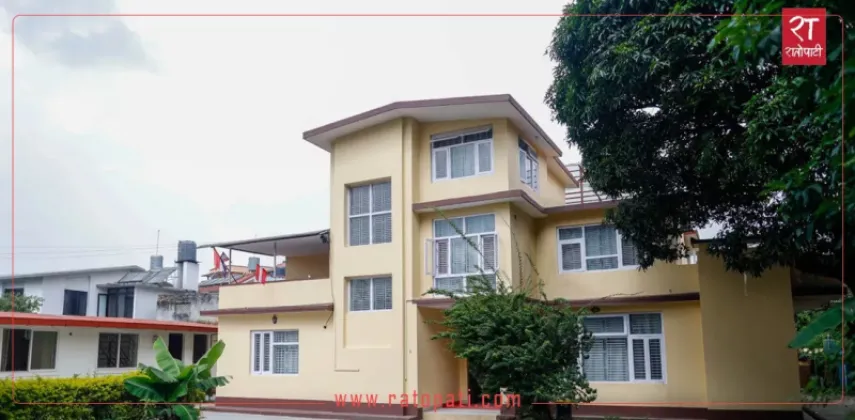
The faction of the Nepali Congress aligned with former party president Sher Bahadur Deuba has completed its party conventions in 24 districts so far, selecting district presidents through internal competition, the faction's contact office based at Chundevi confirmed. The conventions were held as part of the party's district-level leadership selection process, and with the latest completions, the faction has now chosen chairpersons in two dozen districts, marking a tangible step forward in its organisational drive at the grassroots level.
Conventions conclude in 24 districts
According to the Chundevi-based contact office of the Deuba faction, party conventions have been concluded in 24 districts so far. In each of these districts, the top post of the district party committee was settled through internal competition, with the successful contender emerging as the district president. The contact office confirmed that chairpersons have been chosen in all of the 24 districts where the faction has completed its conventions.
The district convention is the formal mechanism through which a party renews or confirms the leadership of its district committees. Members and supporters within the district take part in the process, contenders for the president's post make their case, and the outcome is decided within the party's own organisational framework. For the Deuba faction, completing this exercise in two dozen districts represents measurable progress in putting district-level leadership in place.
Key points from the announcement include:
- The Deuba faction has completed party conventions in 24 districts so far.
- District presidents were selected through internal competition rather than being handed posts unopposed.
- The faction's Chundevi contact office confirmed the completions.
- The conventions were held as part of the party's district-level leadership selection process.
Internal competition decides the top post
The decision to fill district presidencies through internal competition is a notable feature of the process. Rather than distributing the top posts by consensus, the faction allowed contests to take place, meaning aspirants in each district had to compete for the president's position and win the support of the party's local base. Contested conventions of this kind are often watched closely because the results reveal where each contender's strength lies within the district organisation.
For the winning candidates, an internally contested victory carries its own weight. A district president who has emerged from competition enters the post with a demonstrated level of backing among the party's district-level membership, which can strengthen their position when it comes to leading the committee and carrying the party's message in their area. For the faction as a whole, contested conventions also signal that its district units are active enough to organise and complete the full electoral exercise.
Role of district leadership in the party structure
The conventions were held as part of the party's district-level leadership selection process, a stage that carries real importance in the life of any political organisation. The president of a district committee is responsible for guiding the party's activities across that district, coordinating the committees beneath it, and mobilising members and supporters on the ground. A completed convention therefore means that a district moves from a state of waiting leadership to one with a chosen chairperson at the helm.
With presidents now selected in 24 districts, the Deuba faction has placed elected leadership across a substantial portion of its district structure. The phrase "so far" used by the Chundevi contact office indicates that the process remains underway, with the faction's convention campaign continuing beyond the two dozen districts already covered. Each additional district that completes its convention extends the reach of the faction's district-level leadership selection.
Chundevi office drives the faction's organisational updates
The Chundevi contact office functions as the coordination point for the Deuba faction, and it was this office that announced the completion of the conventions. Contact offices of this kind typically track organisational activities across districts, compile reports from the field, and communicate progress to leaders, cadres and the wider public. In this instance, the office's confirmation provided the clearest account of how far the faction's district conventions have advanced and that chairpersons have been selected in every district covered so far.
Sher Bahadur Deuba, the former president of the Nepali Congress around whom the faction is organised, remains a central figure in the party's organisational processes. The completion of conventions in 24 districts under the faction's banner underscores the extent of its engagement with the party's district-level structures, and the internal competition through which the presidents were chosen adds a competitive dimension to the selection exercise.
As reported by RatoPati, the faction has completed its conventions in the 24 districts and chosen presidents in each of them, with the results now on record through the faction's Chundevi contact office.
With district presidents selected through internal competition in 24 districts, the Deuba faction has moved a clear step forward in the Nepali Congress's district-level leadership selection process. As the conventions continue in the remaining districts, attention will rest on how the faction's organisational campaign progresses and how the newly chosen district chairpersons take charge of their committees in the period ahead.


