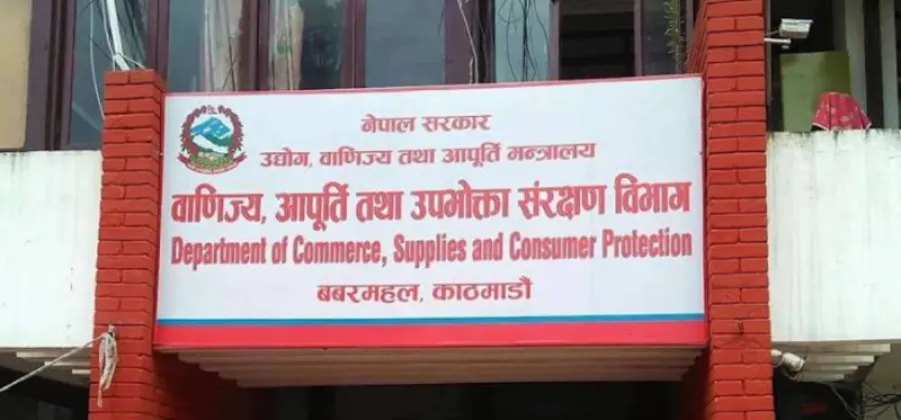
The Department of Commerce, Supplies and Consumer Protection has directed hotels, restaurants and snack houses operating along highways and in surrounding areas across Nepal to display their price lists, provide bills to customers and maintain food hygiene and quality. In a public notice, the department said it had issued the directive in response to consumer complaints and grievances, and required businesses to give customers a receipt showing the actual prices of goods sold and services provided.
Price lists must be visible to customers
The department’s notice instructs highway-area food businesses to make their prices visible to customers. The requirement applies to hotels, restaurants and snack houses operating along highways and in their surrounding areas across the country. The notice does not limit the direction to a particular highway or region.
Displaying a price list is intended to let customers see prices while choosing goods or services. For people stopping at roadside businesses, the instruction makes clear that prices should not be available only on request: the list must be displayed for customers to view. The department has framed this alongside its separate requirement to provide a bill or receipt after a purchase.
The notice follows complaints and grievances submitted by consumers, which the department said had caused serious concern. It did not identify individual businesses or describe particular complaints in the information made public. The directive instead sets out expectations for the businesses covered by it, focusing on price transparency, proof of payment and the condition of food.
Customers must receive bills showing actual prices
Under the instruction, customers must be given a bill or receipt that shows the actual price of goods sold and services provided. The requirement applies to transactions at the covered hotels, restaurants and snack houses. It provides customers with a written record of what they paid for their purchase or service, while giving businesses a clear instruction to document the amount charged.
The direction to issue bills complements the requirement to display price lists. A visible list allows customers to check prices before ordering, while a receipt records the actual amount charged. The department’s notice places both responsibilities on the businesses rather than leaving customers to rely only on verbal information about a price.
The department has also directed the businesses to maintain food hygiene and quality. That requirement applies alongside the rules on displaying prices and issuing bills, making the notice broader than a price-transparency measure alone. It calls on covered establishments to attend to the quality and hygienic condition of the food they provide, although the notice as summarized does not set out specific inspection procedures or detailed standards.
Department cites consumer complaints
The department said it was seriously concerned by the complaints and grievances it had received from consumers. Its public notice responds by setting out a common set of instructions for highway-area food businesses across the country. The information available does not specify how many complaints were received, when they were made or whether they related to particular locations or practices.
For customers, the main points of the directive are straightforward: prices should be displayed, bills should be provided, and food hygiene and quality should be maintained. For businesses, the notice makes these expectations mandatory. The department’s announcement underscores the importance it places on customers being able to see prices and receive a record of the actual costs of goods and services.
The direction covers hotels, restaurants and snack houses along highways and in nearby areas nationwide. The department has not, in the information provided, announced a timeline for compliance or described penalties for businesses that fail to follow the instructions. Its notice nevertheless makes clear that price display, customer receipts and food hygiene and quality are responsibilities expected of the establishments covered.