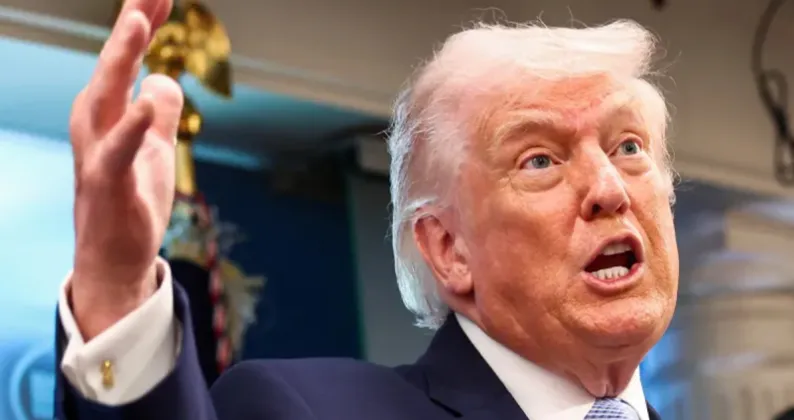
Democrats have won control of both chambers of the United States Congress, delivering a significant political setback to President Donald Trump and his Republican Party, according to results reported on November 4, 2026. The outcome marks a sharp shift in legislative power in Washington and is expected to have a direct bearing on Trump's political and economic agenda in the period ahead. With majorities in place in both the House of Representatives and the Senate, Democrats will now control the flow of legislation in the new Congress, forcing the Trump administration to negotiate across party lines on everything from federal spending to major policy bills.
A Powerful Shift on Capitol Hill
The United States Congress is made up of two chambers: the House of Representatives and the Senate. Together, they are responsible for drafting and passing federal law, approving the national budget, and holding the executive branch to account. With the reported results, Democrats will hold the majority in both, a position that gives the party control of committee chairmanships, the legislative calendar, and the power to decide which bills reach the floor for a vote.
For the Democratic Party, this is the first time in more than a decade that it will hold simultaneous control of both chambers of Congress. The results, reported on November 4, 2026, and carried by Thaha Khabar, represent a clear reversal of the balance of power on Capitol Hill. For Trump's Republican Party, the loss removes a key pillar of support that presidents typically rely on to advance their legislative programmes, and it reduces the ability of the White House to push through its priorities without compromise.
What the Result Means for Trump's Agenda
A president's legislative success depends heavily on allies in Congress, and Trump will now face a legislature in which the opposition party sets the agenda. Under Democratic control, several levers of power change hands, each of which can affect how the administration governs:
-
Legislative gatekeeping: Democratic majorities can block, amend, or reshape bills on taxation, healthcare, immigration, and other core policy areas, meaning any major legislation will require bipartisan agreement to become law.
-
Committee control: Chairing committees allows the majority party to shape the details of bills, direct hearings, and decide which issues receive attention.
-
Oversight of the executive: Committees controlled by Democrats gain the authority to investigate the administration, summon officials, and scrutinise government decisions.
-
Confirmations: The Senate plays a central role in confirming senior administration officials and judicial nominees, giving the Democratic majority significant influence over appointments.
Taken together, these powers mean that Trump's political agenda will need to clear a far higher procedural hurdle than it would under a friendly Congress. Policies that could previously be pursued through party-line votes will now demand negotiation, coalition-building, or a greater reliance on executive action, all of which reshape how the White House can operate.
Economic Stakes and the Power of the Purse
The economic dimension of the result is equally significant. Congress approves the federal budget, sets tax policy, and determines government spending priorities, which places Democrats in a position of real leverage over the economic agenda that Trump has pursued. Funding for federal programmes, changes to the tax code, and adjustments to government borrowing all require congressional approval, meaning the administration will need Democratic buy-in on the fiscal questions that matter most.
The outcome is expected to affect Trump's economic plans directly, as the chamber that controls the purse strings can advance or withhold support for the administration's priorities. For businesses, investors, and international partners watching Washington, the new composition of Congress signals a period in which economic policy is more likely to be the product of negotiation than of unilateral action by the President's party.
Historical Context and the Road Ahead
Midterm elections in the United States have historically served as a public verdict on the sitting president, with the president's party frequently losing ground in Congress midway through a presidential term. The Democrats' victory in the 2026 contests fits within that tradition, as voters returned a Congress that stands in opposition to the White House on both sides of the Capitol. Such outcomes typically force presidents to adjust their governing approach, seeking compromise where previously they could rely on their own majority.
Attention will now turn to January 2027, when the newly elected Congress is sworn in and formally organises itself. At that point, the House of Representatives will elect its Speaker, committees will be constituted under Democratic leadership, and the practical consequences of the new balance of power will begin to take shape. Until then, both parties will be assessing what the result means for their strategies in Washington.
For Trump, the coming phase of his presidency will be defined by divided government and the need to work with a Congress led by his opponents. For Democrats, control of both chambers offers a platform to advance their own legislative priorities and to check the direction of the administration. How the two sides manage this new arrangement will determine much of the political and economic story of the years ahead.