As Dashain approaches, shoppers have crowded into markets across the Kathmandu Valley to buy clothes and essential goods, while rising prices are making it harder for consumers to manage their expenses. The busy shopping areas include Bhotehiti, Thamel, Asan, Indrachowk, Jamal, Bishalbazar, Sundhara, Khichapokhari, Naya Sadak, Bagbazar, Dillibazar, Baneshwar and Putali Sadak. Reports also say the Bhote Koshi flood on Bhadra 10 affected supplies from neighbouring countries, adding pressure to an already costly shopping period.
Crowds fill the Valley’s shopping areas
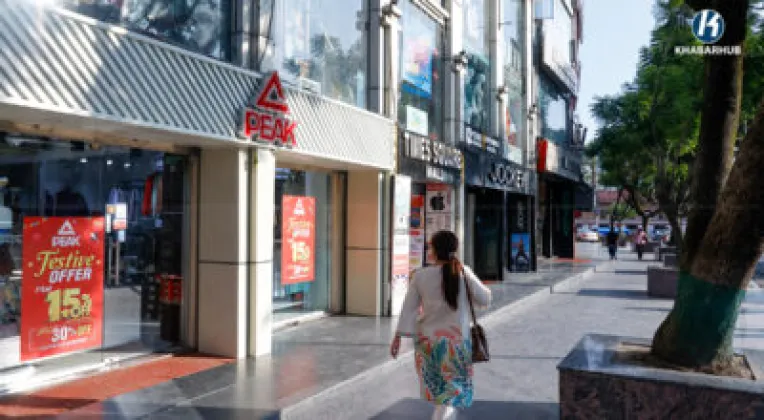
The pre-Dashain rush is visible across almost all major markets in the Valley, with people out to purchase clothing and everyday necessities for the festival. The spread of shoppers across central and neighbourhood market areas reflects the importance of seasonal shopping as Dashain draws near. From Asan and Indrachowk to Thamel, Jamal and Bishalbazar, the listed markets have become destinations for consumers seeking festival goods.
The crowds extend beyond the traditional market areas. Shoppers are also visiting Sundhara, Khichapokhari, Naya Sadak, Bagbazar, Dillibazar, Baneshwar and Putali Sadak. Together, these locations show how widely the seasonal buying rush is being felt across Kathmandu Valley. Consumers are looking for both clothes and essential goods, but the increased activity has not made shopping easier for households facing higher prices.
Rising prices make purchases harder to manage
The central concern for consumers is affordability. Reports describe prices as rising at a time when many people are trying to complete their Dashain shopping, making it difficult to manage the cost of purchases. The pressure applies to the broader effort to buy clothing and essential items, rather than being limited to one named product in the reports.
The available reports do not provide a single price figure or a detailed comparison of costs across markets. They do, however, describe the festival shopping season as more expensive and say consumers are finding it difficult to afford their purchases. With shoppers visiting markets in large numbers, the contrast is clear: demand for seasonal goods is evident, while higher prices are weighing on consumers’ ability to meet their shopping needs.
Flood-related supply disruption adds context
The reports also point to the Bhote Koshi flood on Bhadra 10 as a factor that affected supplies from neighbouring countries. They do not specify which goods were affected, how much supply was disrupted or how that disruption translated into individual prices. The reported impact is therefore a supply issue that forms part of the wider context around this year’s costly Dashain shopping, rather than a detailed account of changes in any one market.
The combination of busy markets, higher prices and reported supply effects has made the pre-festival buying period challenging for consumers. The Khabarhub report, Nepal Press coverage and Ratopati report all describe the rising cost of shopping as Dashain nears. For shoppers moving between the Valley’s markets in search of clothes and necessities, the festival rush is unfolding alongside the difficulty of keeping expenses manageable.