
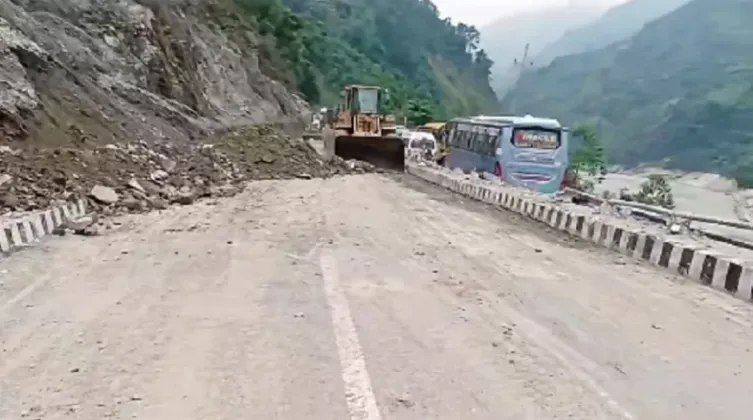
Nepal's major highways are facing a sharply elevated risk of landslides as the effects of Cyclone Arnab are felt across the country, according to reports from Nepali news outlets. Nepal Lead and Nepal Samaya both published warnings about the increased danger along major road corridors, while Rato Pati reported a high risk of landslides on the affected highways and urged caution. The alerts were issued as the cyclone's influence spread over Nepal, and both outlets called on the public to remain alert and take precautions while the severe weather continues.
A High Risk of Landslides on Major Highways
The central warning in the reports is straightforward: Cyclone Arnab is expected to increase the risk of landslides along Nepal's major highways. Nepal Lead and Nepal Samaya highlighted the heightened danger as the cyclone's effects took hold, and Rato Pati's coverage of the impact of Arnab similarly flagged a high risk of landslides on the highways, urging caution for those using the roads.
Warnings of this nature point to the particular vulnerability of Nepal's highway network during severe weather. Major routes in the country often traverse steep hillsides and mountain slopes, and when a cyclonic system brings prolonged and intense rainfall, that water can saturate the ground above and below the roadway. Saturated slopes are far more prone to giving way, which is why highways are so frequently the focus of landslide warnings during heavy rain events. With Cyclone Arnab's effects now being felt across Nepal, the reports indicate that the conditions for landslides on these corridors are in place.
Urgent Calls for Public Vigilance
Both Nepal Lead and Nepal Samaya did more than report the risk: they urged people to remain alert and take precautions. This dual message reflects the urgency of the moment, since the warnings were issued not in advance of the cyclone's arrival but as its effects were already being felt across the country. In practical terms, the call to remain alert means paying close attention to weather conditions and any updates about road status, while taking precautions means thinking carefully before traveling on routes that may be exposed to landslide danger.
The emphasis on precaution is significant because of what landslides can do to a highway. A single slide can bury a section of road under mud, rock and debris, cutting off traffic in both directions and leaving travelers stranded. For a country that depends heavily on its highway corridors to move people and goods between its regions, even localized disruptions can have consequences that ripple well beyond the affected stretch of road. These general risks are precisely why the outlets chose to amplify the warning to their audiences.
Effects Felt Across the Country
A defining feature of the reporting is its nationwide scope. The warnings were issued as Cyclone Arnab's effects were being felt across the country, not confined to a single region or a handful of districts. That breadth matters: when a weather system influences such a wide area, the number of road corridors potentially exposed to landslide risk grows accordingly, and the need for widespread public awareness grows with it.
The reports from Rato Pati and Nepal Lead form part of a broader effort by Nepali media to keep the public informed as the cyclone's impact unfolds. By publishing the landslide warnings prominently and urging caution, these outlets are serving as a channel through which the public can learn about the risks posed by the severe weather and respond accordingly.
Caution as the Cyclone's Effects Continue
As long as the effects of Cyclone Arnab persist over Nepal, the risk of landslides on major highways is expected to remain elevated. The key points from the reporting can be summarized as follows:
- Cyclone Arnab is expected to increase the risk of landslides along major highways in Nepal.
- The warnings were reported by Nepal Lead and Nepal Samaya, with Rato Pati also covering the high risk and urging caution.
- Both outlets urged the public to remain alert and take precautions.
- The warnings were issued as the cyclone's effects were already being felt across the country.
For travelers, residents and transport operators, the message from the coverage is clear: the danger on the highways is not hypothetical but tied to a live weather event. Staying informed through reliable news sources, and treating the risk of landslides seriously while conditions remain severe, is the prudent course of action highlighted across the reports. Attention will remain on how the situation develops as the cyclone's effects continue to be felt across the country.


