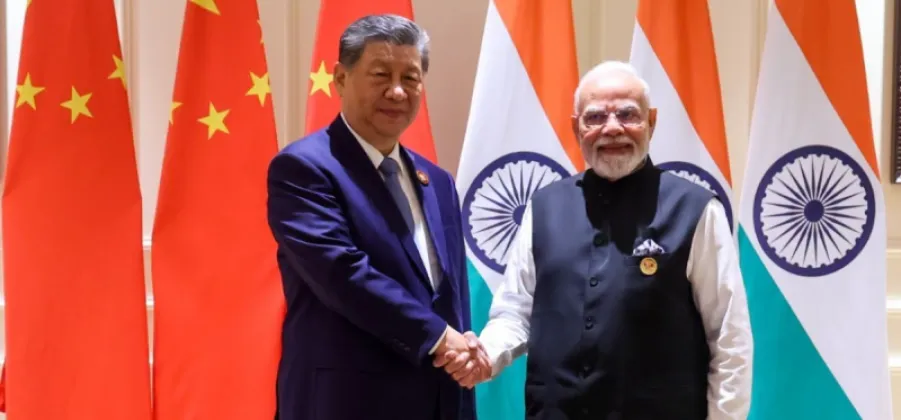
China has objected to India naming 28 places in Ladakh and including them on its official map, prompting a firm response from New Delhi that Ladakh is an integral part of India and that assigning names to places would not change anything. The exchange was reported by Nagarik News on October 13, 2026, and Baahrakhari on October 14, bringing the two countries’ opposing positions over India’s mapping of the region into public focus.
India’s response to China’s objection
India rejected China’s objection and restated its position that Ladakh is an integral part of the country. Its response also dismissed the suggestion that naming the 28 places would alter the situation, saying the act of naming would not change anything. The statement framed the map and place names as consistent with India’s claim to the region, rather than as a change in that claim.
The reported response was direct: India maintained that Ladakh belongs to it and did not accept China’s objection as grounds to reconsider the names. The exchange, as reported, centers on official representations of the places - India’s decision to name them and show them on its map, and China’s objection to that move. Neither the summary of the reports nor the details provided in the coverage identify a change to the map or names following China’s response.
Dispute centers on place names and the map
The immediate issue is India’s naming of 28 places in Ladakh and their inclusion in an official map. China objected to the action, while India said the naming would not affect the underlying position. The disagreement therefore involves competing official responses to how the locations are identified and represented, as well as the two countries’ stated positions on Ladakh.
Maps and place names make territorial claims visible in official materials, but the reporting describes no change in control or other practical outcome tied to this announcement. India’s response focused on the point that naming the places would not change anything. That wording indicates that New Delhi rejected the objection as having an effect on its position, without suggesting in the available account that the map action itself had changed the situation.
Reports highlight opposing positions
Nagarik News reported the exchange on October 13, 2026, in an article describing China’s strong response and India’s position that naming places would not change anything. Baahrakhari reported the development the following day, October 14. Both reports identify the same central issue: China’s objection to India naming 28 places in Ladakh and India’s insistence that the region is an integral part of the country.
The coverage provided does not list the names of the 28 places, give further details about the map, or include additional statements from either government. It also does not describe any follow-up action after the exchange. The established facts in the reports are limited to China’s objection, India’s response, and the inclusion of the named places in India’s official map.
For now, the exchange leaves the public record with sharply opposed statements. China has objected to India’s naming and mapping of the 28 places; India has answered that Ladakh is an integral part of the country and that the naming will not change anything. The reports document the dispute over the map and names, without indicating that either side has changed its stated position.