
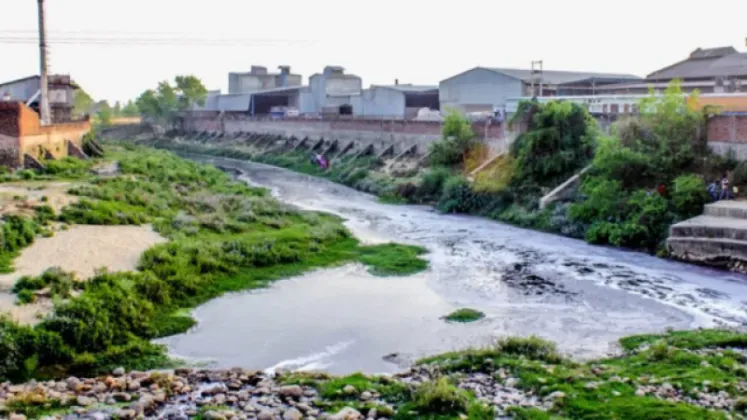
An all-party meeting held in Birgunj under the chairmanship of Chief District Officer Bhola Dahal on Saturday decided to prohibit the disposal of waste in the Sirsiya River during the upcoming Chhath festival. Convened as the city makes preparations for one of the most widely observed festivals in the Madhesh region, the meeting also decided to improve the water quality of the river and keep the surrounding environment clean for devotees. According to Khabarhub, the meeting further decided that industries would not be allowed to release wastewater or water containing chemicals into the river during the festival.
All-party meeting focuses on river cleanliness
The gathering was chaired by CDO Dahal, the top official of the district administration in Parsa district, and brought together representatives of the political parties active in Birgunj. Its central agenda was the condition of the Sirsiya River, the waterway that runs through the city and along whose banks devotees are expected to carry out Chhath rituals.
The decisions taken at Saturday's meeting can be summed up as follows:
- A ban on the disposal of waste in the Sirsiya River during the Chhath festival.
- Steps to improve the water quality of the river.
- Keeping the environment around the river clean for devotees.
- A prohibition on industries releasing wastewater or chemical-containing water into the river.
All-party meetings of this kind are a common mechanism in Nepal's district administration for building consensus on festival management, including sanitation and crowd arrangements. In Birgunj, the focus of this week's consensus-building exercise fell squarely on the river itself, with the ban on waste disposal and the push for better water quality reflecting the pollution pressures that the waterway faces as it passes through the city.
Industries barred from discharging wastewater
Among the most significant elements of Saturday's decision is the restriction on industrial discharge. Factories and industries will not be permitted to release wastewater, or water containing chemicals, into the Sirsiya River while the festival is under way. The directive effectively places the responsibility on industrial units in the area to hold back their effluents at precisely the time when devotees will be using the river for worship.
A direct message to industrial units
Birgunj is one of Nepal's principal gateways for trade and a major industrial center, and waterways flowing through such urban and industrial corridors typically face pressure from both household waste and factory effluents. By naming industries specifically in its decision, the meeting targeted the risk of chemical contamination entering the river during the festival period, complementing the general ban on waste disposal that applies to all.
Clean water at the heart of Chhath worship
Chhath is one of the most important festivals for communities across the Madhesh region and is dedicated to the worship of the Sun. Devotees observe rigorous fasts and offer prayers, known as arghya, to the setting sun and the rising sun, with the rituals performed on the banks of rivers, ponds and other water bodies. Because worshippers stand in the water and make offerings during the ceremonies, the cleanliness of the water is central to the observance of the festival.
It is this connection between worship and water that shaped the agenda in Birgunj. The meeting's decision to improve water quality and keep the environment clean was explicitly framed around the needs of devotees, ensuring that the river and its surroundings are in a fit state when families gather on the banks to perform the rituals. The ban on waste disposal is intended to protect those stretches of the river where devotees will congregate, while the restriction on industrial effluents is meant to safeguard the water itself from contamination.
Collective responsibility for a clean festival
Taken together, the measures approved on Saturday combine administrative direction with political consensus. The prohibition on waste disposal applies across the board, the push to improve water quality sets a clear objective for the festival period, and the industrial restriction adds a specific obligation for factories in and around the city. The emphasis on maintaining a clean environment rounds out a package of decisions aimed squarely at the Chhath period.
For devotees, the measure that will matter most is the condition of the river when the festival arrives, since the rituals require direct contact with the water. For the district administration and the parties represented at the meeting, the decisions amount to a public commitment that the Sirsiya River will be kept free of waste and chemical discharge at exactly the moment when it is most used and most visible. With the festival approaching, the focus in Birgunj now turns to putting those decisions into practice along the river's banks.


