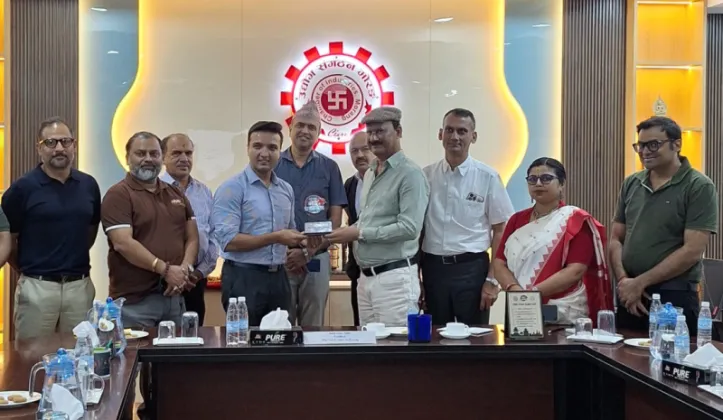
Industrialists and businesspeople in Biratnagar urged the government to introduce policy reforms to reduce production costs, reopen closed industries and make Nepali products more competitive in export markets during a visit by the House of Representatives’ Industry, Commerce and Labour and Consumer Welfare Protection Committee on Ashoj 26. The demands were presented to the parliamentary committee by members of the local business and industrial community.
Three priorities for industry
The Biratnagar stakeholders set out three connected priorities: lowering the costs of production, enabling closed industries to resume operations and improving the ability of Nepali products to compete abroad. Their appeal placed the focus on the policy environment facing businesses and on the conditions needed to sustain industrial activity.
Reducing production costs was among the central requests. Industrialists argued for government policy changes that would ease the cost burden on producers. The demand reflects concern about the expenses involved in making goods and the challenge of keeping domestic production competitive. The stakeholders did not present these priorities as separate issues: cost, continued operation of industries and access to export markets were all part of the appeal for reform.
The call to reopen closed industries added a focus on businesses that are no longer operating. Industrialists asked the government to take steps that could support their return to operation. Their request brought the status of closed industries into the discussion with the parliamentary committee, alongside the broader question of how policy can support production.
Competitiveness in export markets
The business community also called for measures to help Nepali products compete in export markets. The appeal connected domestic industrial conditions with the prospects for selling Nepali-made goods beyond the country. Lowering costs and supporting industry were presented as important aims in the effort to make products more competitive.
Export competitiveness was therefore a key part of the Biratnagar demands, not simply a separate trade concern. Industrialists sought policy changes that would help producers face the challenges of competing in international markets. Their request placed the government’s role in shaping business conditions at the centre of the discussion, while emphasizing the intended outcome: stronger marketability for Nepali products.
The proposals were raised during the committee’s visit to Biratnagar on Ashoj 26. The meeting gave local industrialists and businesspeople an opportunity to take their concerns directly to a House of Representatives committee whose responsibilities include industry, commerce, labour and consumer welfare protection. The demands covered industrial operations as well as the competitiveness of goods in export markets.
Appeal to the government
The stakeholders’ message was a call for policy reform with practical goals: bring down production costs, help closed industries reopen and improve the position of Nepali products abroad. Together, these requests describe the priorities they want the government to address in order to support industrial activity and strengthen the competitiveness of domestic products.
The Biratnagar appeal now forms part of the issues presented to the parliamentary committee during its visit. The demands underline the concerns raised by local industrialists and businesspeople about the conditions for production and the prospects for Nepali goods in export markets. They asked the government to respond through reforms that address those concerns and support the reopening of closed industries.