
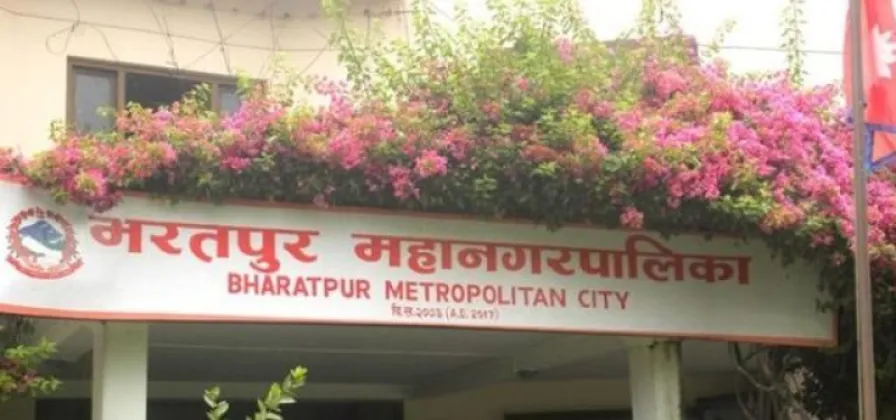
Bharatpur Metropolitan City in Chitwan district has introduced lessons on blood donation into its local school curriculum, a step the metropolis says makes it the first local government in Nepal to include blood donation education in formal schooling. The lessons target students in Grades 6 to 8, and the initiative is aimed at fostering a culture of voluntary blood donation from an early age, according to reports published in January 2026 by Khabarhub and RatoPati. By carrying the subject into the classroom, Bharatpur is seeking to connect everyday education with a persistent public health need: ensuring a reliable supply of blood for patients who depend on transfusions.
A First Among Nepal's Local Governments
The metropolis announced that lessons on blood donation have been incorporated into the local curriculum delivered in schools under its jurisdiction, covering students in Grades 6, 7 and 8. With the move, Bharatpur has claimed to be the first local government in the country to introduce blood donation education as part of the curriculum, setting itself apart among Nepal's hundreds of local levels.
The claim carries weight because local curricula across Nepal have increasingly been used to teach students about local history, culture, environment and health, yet blood donation had not previously been reported as part of any local syllabus. As RatoPati reported, blood donation education has now been included in the local curriculum, a development that links the metropolis's education policy directly with health awareness.
Bharatpur, the headquarters of Chitwan district and one of the major urban centres of central Nepal, is among the local governments making active use of the curricular authority devolved to them since Nepal adopted its federal structure, under which local levels are responsible for basic education and may design local curricula suited to their own priorities.
Key points of the initiative
- Location: Bharatpur Metropolitan City, Chitwan district, Nepal
- Change: Lessons on blood donation added to the local school curriculum
- Target group: Students in Grades 6 to 8
- Stated goal: To foster a culture of voluntary blood donation from an early age
- Claim to distinction: First local government in Nepal to introduce blood donation education as part of the curriculum
Building a Culture of Voluntary Donation
The metropolis said the decision is intended to foster a culture of voluntary blood donation from an early age, framing the classroom as the starting point for lifelong donor behaviour. The rationale reflects a basic reality of health care: blood cannot be manufactured and has a limited storage life, so health systems depend on a steady rotation of healthy, voluntary donors. Voluntary, unpaid donors are widely regarded as the safest source of blood, and communities that sustain strong donation cultures typically face fewer shortages.
Introducing these ideas in the classroom, before students are old enough to donate themselves, is designed to normalise donation long before eligibility begins. Students in Grades 6 to 8 are in early adolescence, a stage when attitudes toward health and civic responsibility begin to take shape. Early, structured exposure to the subject can help demystify the donation process and counter the fears and misconceptions that often discourage eligible adults from giving blood.
The announcements reported so far have not detailed how many class hours the lessons will involve or what teaching materials will be used. Even so, the inclusion of the subject in the curriculum itself signals that blood donation is being treated not as an occasional campaign but as ordinary, teachable knowledge for schoolchildren.
A Model Other Local Governments May Follow
Because Bharatpur is claiming to be the first local government in Nepal to take this step, the initiative is likely to draw attention from other local units as well as from education and health officials. If the lessons succeed in building awareness among students and, by extension, their families, the model could be considered elsewhere in the country, adding a new dimension to the way local governments approach public health messaging.
The move also illustrates the broader shift in Nepal's governance, under which local governments are responsible for basic education and can shape local curricula to reflect local priorities. By using that authority for blood donation education, Bharatpur has linked its schooling policy with a clear health objective, an approach that reflects the flexibility the federal structure was intended to provide.
For now, the metropolis's message is straightforward: the habit of voluntary blood donation is best learned young. If Bharatpur's experiment in Chitwan takes hold, today's students in Grades 6, 7 and 8 could grow into the regular donors that the country's blood supply will depend on in the years ahead.


