
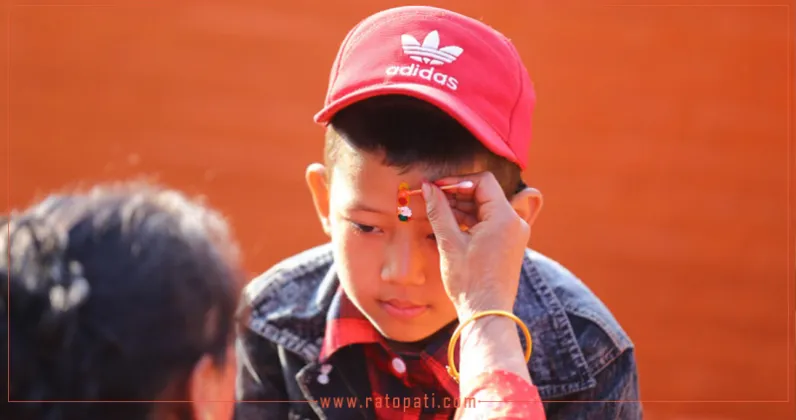
Households across Nepal can now fix their plans for the most anticipated ritual of the Tihar season, after the Nepal Panchang Decision Development Committee announced that this year's Bhaitika will be observed on Wednesday, Kartik 25, with the auspicious time set for 11:07 am. The announcement was made by committee member Laxman Panthi, who also confirmed that the Yamapanchak festival series will begin earlier, on Kartik 20. Bhaitika, also known as Yamadwitiya, falls on the final day of Yamapanchak, making the declared hour the moment thousands of sisters and brothers have been waiting for as they prepare to exchange tika, garlands and blessings.
Committee Fixes the Auspicious Time
The Nepal Panchang Decision Development Committee, the body that prepares the national calendar and determines the dates and timings of major festivals each year, released the schedule following its annual calculations. According to committee member Laxman Panthi, the Yamapanchak festivals will begin on Kartik 20, with the sequence of observances concluding on Kartik 25, the day of Bhaitika.
The committee has set 11:07 am on Wednesday, Kartik 25 as the most favourable moment for the tika ceremony. Families across the country traditionally wait for the announced auspicious hour before seating brothers for the ritual, and the published timing serves as a common reference for households, broadcasters and community organisers alike. The declaration gives families a fixed point around which to arrange travel, gatherings and the closing celebrations of the festival season.
The Final Day of Yamapanchak
Bhaitika, also called Yamadwitiya, is observed on the last day of Yamapanchak, the festival series celebrated throughout Nepal as Tihar. The days leading up to it are marked by the worship of the crow, the dog, the cow and the ox, along with the veneration of the goddess of wealth, before the season closes with the brother-sister ritual of Bhaitika.
The day carries a legend at its heart. According to popular tradition, Yamuna welcomed her brother Yamaraj, the god of death, at her home with tika, garlands and a feast when he came to visit her. From that visit, the day came to be observed as Yamadwitiya, with sisters invoking the same blessing of protection, health and long life for their brothers. The story gives the festival its name and its enduring emotional weight, as sisters symbolically shield their brothers from harm through prayer and ritual.
How the Ritual Is Observed
On Bhaitika day, homes are cleaned and decorated and oil lamps are lit as sisters prepare for the ceremony. The items most closely associated with the ritual include:
- A seven-coloured tika made from rice, vermilion and other pigments, applied to the brother's forehead
- Garlands woven from sayapatri (marigold) and makhamali flowers
- Plates of fruit, sweets and ritual offerings placed before the seated brothers
- Gifts and cash presented by brothers to their sisters in return
The makhamali flower holds particular significance, as it is valued for retaining its colour and freshness for a long time, symbolising the hope that the bond between sister and brother, and the brother's life itself, will remain equally enduring.
Sisters apply the tika, place garlands around their brothers' necks and circle them while offering blessings for long life and prosperity. Brothers then present gifts to their sisters and receive their blessings in return. The committee's announced time of 11:07 am on Kartik 25 marks the moment this year when the ritual is considered most auspicious, although celebrations continue through the day in many households.
A Festival That Draws Families Together
Bhaitika is widely regarded as the emotional high point of the Yamapanchak season. In the days before the festival, people travel to their hometowns or to the homes of their sisters, and markets see increased demand for marigold garlands, makhamali flowers, tika colours, oil wicks and sweets. For families separated by work and migration, the announced date and hour serve as a reminder to gather, however briefly, for the blessing ritual that closes the festival season.
The announcement by the committee was carried by RatoPati and Khabarhub, which reported the auspicious time along with the start date of the Yamapanchak festivals.
With the beginning fixed for Kartik 20 and the concluding ritual set for Kartik 25 at 11:07 am, the festival calendar for this year's Yamapanchak is now clear. Sisters and brothers across Nepal can mark their calendars for Wednesday, Kartik 25, when the final and most cherished observance of the season takes place under the auspicious moment declared by the national calendar authority.


