
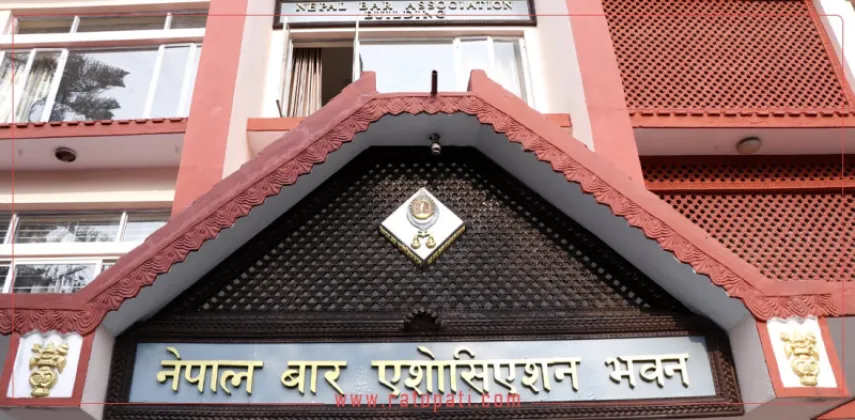
Two of Nepal's most prominent lawyer bodies, the Supreme Court Bar Association and the Nepal Bar Association, have demanded an impartial, independent and timely investigation into recent news reports involving the Chief Justice and a justice of the Supreme Court. The demand from the Supreme Court Bar Association came in a statement issued on Friday by its secretary, Raman Kumar Karna, who said the facts behind the reports must be made public. A day earlier, on Thursday, the Nepal Bar Association lodged a similar demand, focusing on reported conversations and meetings between a justice and a person linked to a disputed case. Both associations are based in Kathmandu.
Bar Associations Speak Out
The back-to-back statements signal deep unease within Nepal's legal community over reports touching the country's highest court. As detailed in coverage by RatoPati, Nepal Press and Global Aawaj, the two bar associations moved quickly to place their concerns on record.
The Supreme Court Bar Association statement, issued on Friday, centred on news reports involving the Chief Justice and a sitting justice of the Supreme Court. Secretary Raman Kumar Karna, speaking through the association's official statement, framed the demand around three clear principles:
- The investigation must be impartial, free from any influence of the individuals or institutions under scrutiny
- The process must be independent, insulated from pressures that could shape its findings
- The probe must be timely, so that unanswered questions do not linger and erode confidence in the judiciary
Karna further emphasised that the facts surrounding the reports should be made public, arguing that transparency is essential if the judiciary is to retain the trust of litigants and the wider public. The association stopped short of identifying the specific mechanism it believes should carry out the inquiry, but its language left little doubt that it regards the reports as a matter requiring formal institutional attention.
What Prompted the Demand
The Nepal Bar Association's statement, issued a day earlier on Thursday, pointed specifically to reported conversations and meetings between a Supreme Court justice and a person linked to a disputed case. According to the association, these reports raised questions serious enough to warrant an official investigation.
Reports of contact between a judge and a party connected to a case before the courts strike at one of the most sensitive areas of judicial ethics. When a justice is alleged to have held private conversations or meetings with someone tied to a controversial matter, concerns arise not only about the outcome of that particular case but about whether all litigants can expect equal treatment before the bench. It is precisely this principle of impartiality that the bar associations say must be protected through a credible probe.
The Supreme Court Bar Association's decision to widen its reference to reports involving the Chief Justice as well as a justice underscores that the concern is not confined to a single name or a single incident, but to the broader questions the published reports have raised about conduct at the top of the judicial hierarchy. Neither association, in the statements reported so far, has detailed the full contents of the media reports, but both have treated them as credible enough to demand an official response rather than dismissal.
A Separate Call for a Judicial Committee
The bar associations are not alone in pressing for action. As reported by Nepal Press, Tikaram Bhattarai has demanded the formation of a judicial committee to investigate the questions that have been raised against judges in recent days. The call for a dedicated judicial committee represents a more specific proposal for how the inquiry should proceed, complementing the bar associations' broader demand for an impartial and independent probe.
Taken together, the three interventions reflect a shared view among senior members of the legal profession that the reports cannot simply be allowed to fade from public attention. Whether through a committee of judges or another independent forum, the consistent message is that the questions raised must be examined formally, and the findings placed before the public.
Stakes for Judicial Credibility
The interventions carry weight because of the standing of the bodies involved. The Supreme Court Bar Association and the Nepal Bar Association are the principal professional organisations representing advocates in the country, and their statements are traditionally watched closely as a measure of the legal community's collective judgment on matters of judicial integrity.
By demanding that the facts be made public, the Supreme Court Bar Association has effectively placed the burden on the concerned institutions to demonstrate that allegations touching the highest court are treated with the same seriousness as any other matter of public concern. The Nepal Bar Association's parallel demand reinforces that message, showing that the concern crosses organisational lines within the profession.
For now, the demands centre on process rather than conclusions. Neither body has alleged guilt on the part of the Chief Justice or the justice named in the reports; their case is that only an impartial, independent and timely investigation can establish what occurred and restore clarity. The available reports do not indicate when or in what form such an investigation might begin, nor what response, if any, has come from the court itself.
What is clear is that pressure is building for a formal answer. With the capital's bar associations on record, a separate call for a judicial committee filed alongside them, and the underlying media reports still in public circulation, the question of how the concerns raised this week will be addressed now rests squarely with the country's judicial institutions.


