
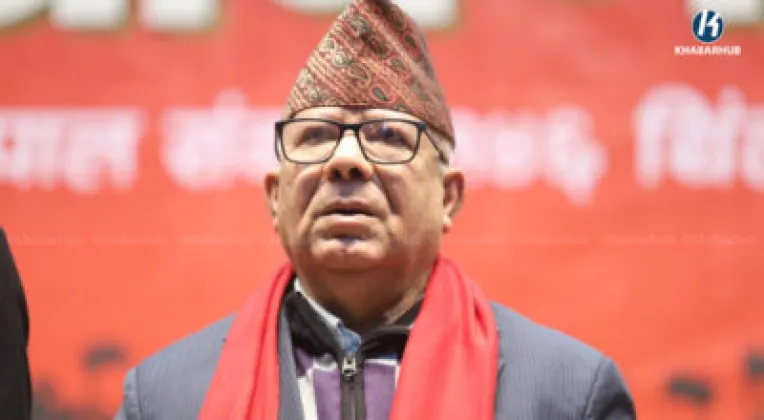
The Commission for the Investigation of Abuse of Authority (CIAA) has filed another corruption case at the Special Court against former Prime Minister Madhav Kumar Nepal, a leader of the Nepal Communist Party (NCP), over alleged irregularities in the discounted registration of public land in the Biratnagar area in the name of individuals. The case was filed on Tuesday, according to reports published by Khabarhub and Global Aawaj. The filing sets up a fresh legal battle for one of Nepal's most prominent political figures and once again places the decisions of a past Council of Ministers under the scrutiny of the country's anti-corruption machinery.
The allegations: public land, private names, discounted terms
At the heart of the case is a decision of the Council of Ministers, the executive body over which the prime minister presides, to grant discounted registration of public land located in the Biratnagar area to individuals. The CIAA has alleged that the decision involved irregularities. In practical terms, the case concerns land that belonged to the public being registered in the names of private persons on concessional terms, a category of decision that anti-graft authorities treat with seriousness because it involves the disposal of public property to private parties.
Biratnagar, a major city in eastern Nepal and one of the country's best-known urban centres, provides the setting for the alleged irregularities. The case does not concern a routine administrative matter but a decision taken at the highest level of the executive, which is precisely why the investigation by the CIAA and the subsequent filing at the Special Court carry such weight.
Cases of this nature are watched closely because they go to the question of how public land, a scarce and valuable resource in growing cities, is managed by those who hold power. Discounted registration of public land can reduce the income the state receives and can place public assets in private hands. Whether that occurred unlawfully in this instance, and what responsibility the former prime minister bears for it, is now a matter for the court to determine.
Key facts at a glance
- Accused: Madhav Kumar Nepal, former Prime Minister and leader of the Nepal Communist Party (NCP)
- Case filed by: the Commission for the Investigation of Abuse of Authority (CIAA)
- Court: the Special Court
- Date of filing: Tuesday
- Core allegation: irregularities in a Council of Ministers decision granting discounted registration of public land in the Biratnagar area in the name of individuals
The CIAA, the Special Court and how the process unfolds
The CIAA is Nepal's apex anti-corruption body, mandated to investigate abuse of authority and corruption involving public officials and office-bearers. Where its investigations find grounds, it files formal cases in court, and that is the step taken on Tuesday. The Special Court is the judicial forum that hears corruption and abuse-of-authority cases in Nepal, and it is before this court that the case against the former prime minister has now been lodged.
With the filing complete, the judicial process moves into its next phase. The Special Court will examine the charges laid out by the Commission, and the accused will have the opportunity to present his defence. As with any case at this stage, the allegations remain allegations until the court has weighed the evidence and delivered its verdict. The filing itself marks the beginning of the judicial examination, not its conclusion.
A fresh case for a former prime minister
For Madhav Kumar Nepal, the filing adds a new legal front at a time when he remains an active and influential figure in national politics as a leader of the Nepal Communist Party (NCP). A former head of government answering a corruption case in court naturally attracts attention far beyond the courtroom, from party circles and the wider public alike.
The word another is significant. Both reports describe the filing as a further corruption case against the former premier, indicating that this is not the first such case he has faced. The present case, however, focuses specifically on the Biratnagar land matter and the decision of the Council of Ministers that allowed public land in the area to be registered to individuals at discounted rates.
Because the accused is a former prime minister, the case touches on questions of accountability at the very top of the state. The Council of Ministers is the highest executive body in the country, and allegations that its decisions on public land were irregular speak directly to concerns about governance, transparency and the stewardship of public assets by those entrusted with authority.
What happens next
The case filed on Tuesday now rests with the Special Court. The court will take up the matter, hear the parties and assess the material placed before it by the CIAA. Until that process runs its course, the full picture of what happened with the Biratnagar public land, and who bears responsibility for the alleged irregularities, will remain for the judiciary to establish. For now, the filing stands as the latest development in the legal troubles of a former prime minister, and one of the most closely followed anti-corruption cases to reach the Special Court.


