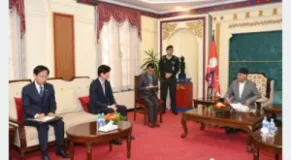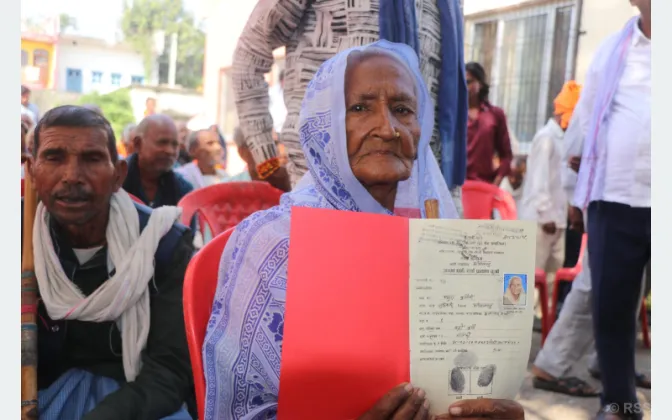
A total of 261 families in Krishnanagar have received land ownership certificates, known locally as lalpurja, giving them formal legal rights to land they have long occupied. The distribution, reported by Nepali news outlets on November 6, 2026, addresses long-standing land ownership issues for these households, converting what had been an uncertain or undocumented arrangement into government-recognized ownership.
Krishnanagar lies in Kapilvastu District of Lumbini Province, in the southern Terai plains near Nepal's border with India. For the families now holding certificates, the delivery of the lalpurja represents the most concrete form of relief possible: official written proof that the plots beneath their homes and farmland belong to them.
Relief After Long-Standing Ownership Uncertainty
The certificates resolve a question that has defined these households' relationship with their land. Without a registered title, a family may live on and farm a plot for generations yet remain vulnerable to disputes, competing claims and the simple impossibility of proving ownership. With the lalpurja in hand, each of the 261 families now has its claim recorded in Nepal's formal land administration system.
The distribution was reported by Nepal Lead and Thahakhabar on November 6, 2026.
The practical difference a title makes is considerable. With a registered lalpurja, a family can:
- Sell, transfer or inherit the land without legal obstacle
- Mortgage or pledge the plot as collateral to access bank loans and formal credit
- Claim compensation if the land is acquired for roads, irrigation or other public projects
- Register utilities, households and services that require proof of a permanent, documented address
- Defend tenure in boundary disagreements or cases of encroachment
For households that previously held no such document, many of these everyday transactions were difficult, risky or outright impossible.
Why the Lalpurja Carries So Much Weight
Land ownership remains one of the most sensitive issues in Nepal's social and economic life. Large numbers of families, particularly across the Terai, have historically been landless or near-landless, a legacy of feudal tenure arrangements, bonded labor practices such as kamaiya and haliya, and the gradual settlement of landless households on public or unregistered land. Many families passed such plots down through generations without ever obtaining a title.
Successive governments have sought to close this gap through land commissions and distribution programs targeting landless families, squatters and tillers. In practice, however, the process often moves slowly: applications must be verified, plots measured and decisions approved before a certificate can be issued through the local land revenue office, which operates under the federal land administration system. Families commonly wait years between applying for land and finally receiving their papers.
Against that backdrop, distributions like the one in Krishnanagar are closely watched as a measure of progress on a promise that has been made, and repeated, for decades. Each certificate handed over represents one more household moved out of informal land holding and into the protection of the law.
A Meaningful Step for Krishnanagar
For Krishnanagar Municipality, formalizing ownership for 261 families is expected to bring clarity to local land records and reduce the scope for future disputes over previously undocumented plots. Accurate records also give the municipality a firmer footing for planning infrastructure, maintaining the land register and collecting property-related revenue.
The economic effects reach beyond the individual households. Land that can be legally pledged gives families access to formal credit at regulated rates, an alternative to relying on informal lenders. Secure ownership also encourages investment: families are far more likely to build, plant or improve property when they hold the document that confirms the ground is theirs.
What Comes Next for the Families
The immediate task for the 261 households is to safeguard their certificates and ensure their details are correctly recorded with the land revenue office. Over time, the titles open the door to loans, property transactions and inheritance planning that were previously out of reach.
The distribution does not resolve Nepal's wider landlessness challenge, which continues to affect families in other districts and awaits its own resolutions. But for the households of Krishnanagar, it closes a long chapter of uncertainty with a simple and powerful assurance: the land beneath their homes is now, officially, their own.