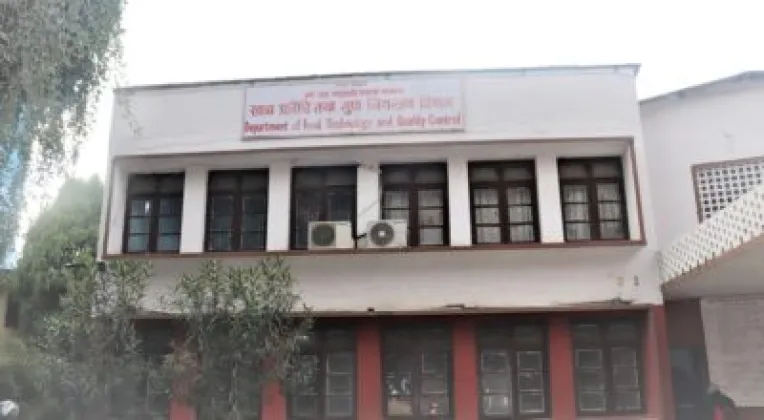
Cases have been filed against 14 industrialists and traders of Madhesh Province for producing and selling substandard food, following inspections and sample testing carried out by the Food Technology and Quality Control Office during the first three months of the current fiscal year 2083/84. The cases have been lodged at the district courts and district administration offices responsible for the areas concerned. The enforcement action, reported from Janakpurdham, marks a notable step in the drive to rein in the sale of food products that fall short of legally prescribed standards in the southern plains province.
Inspections and Testing Prompt the Enforcement Drive
The action follows monitoring by the Food Technology and Quality Control Office, the government body tasked with checking the quality of food reaching consumers. During the first three months of the fiscal year, office teams inspected food businesses in the province, collected samples of food items and sent them for testing. The results of that process, according to information reported from Janakpurdham, revealed irregularities in products handled by the 14 accused industrialists and traders.
Inspection and sample testing are the standard first steps in Nepal's food safety enforcement process. When laboratory analysis shows that a product does not conform to prescribed standards, or when inspectors detect problems in production or handling, the concerned office can move against the business under the prevailing food safety laws. In this instance, that process culminated in the filing of cases against 14 business operators, making it one of the more significant quality control actions reported in the province so far this fiscal year.
Cases Lodged in District Courts and Administration Offices
According to the reports, the cases were filed in the district courts and district administration offices with jurisdiction over the accused, a two-track approach that reflects how food-related offenses are processed in Nepal. District administration offices generally handle offenses that fall within their administrative jurisdiction, while matters requiring judicial determination are pursued before the district courts. The decision to file in both types of offices suggests that the violations attributed to the 14 accused differ in nature or gravity, although the available reports do not elaborate on this point.
The reports published so far have not disclosed the names of the accused, the specific food items involved or the districts where the cases were filed. Details of the penalties sought have also not been made public. What is clear is that the legal process has formally begun, and the accused will now have to respond to the charges in the forums where the cases have been registered.
Key Facts at a Glance
- 14 industrialists and traders of Madhesh Province face charges of producing and selling substandard food
- The action follows inspections and sample testing during the first three months of fiscal year 2083/84
- Cases have been filed in the concerned district courts and district administration offices
- The enforcement drive was led by the Food Technology and Quality Control Office
- The action was reported from Janakpurdham
Food Safety a Persistent Concern for Consumers
The filing of the cases comes against the background of longstanding public concern over the quality of food sold in markets across Madhesh Province. Substandard or adulterated food can expose consumers to serious health risks, and busy market centres in the province have repeatedly drawn attention to questions of hygiene in food production, storage and sale. Consumer awareness efforts and regular monitoring by quality control authorities have both formed part of the response to these concerns.
For regulators, enforcement of this kind serves two purposes. It holds accountable those businesses found to have breached standards, and it signals to the wider business community that producing or selling food that fails quality tests carries legal consequences. Monitoring, sampling and testing are treated as continuing activities rather than one-off exercises, and the current action indicates that businesses in Madhesh remain within the active surveillance of the Food Technology and Quality Control Office.
What Happens Next
With the cases now filed, the next steps rest with the district courts and district administration offices where the charges have been lodged. If the accused are found to have committed the offenses as charged, they face penalties as provided for under the prevailing laws on food quality and consumer protection. The accused, for their part, will have the opportunity to present their defence through the standard legal process.
The action also underscores the limits of laboratory testing, which covers only a fraction of the products on sale at any given time. Enforcement drives of this kind are intended to complement, rather than replace, the vigilance of consumers themselves when it comes to the food they buy. The case against the 14 industrialists and traders is expected to sharpen attention on food quality practices across the province as the fiscal year progresses.
The reports were originally published by Khabarhub, Aaja ko Artha and Nepal Lead.