
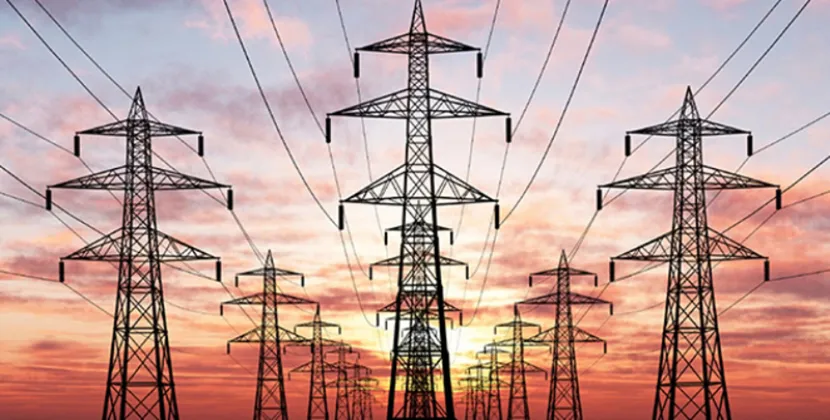
The 132kV Keraun Substation, built at Kanepokhari Rural Municipality-2 in Morang district, has officially come into operation, a development expected to significantly improve electricity supply in Morang and the surrounding areas. The commissioning of the facility marks a major step forward in strengthening the power infrastructure of one of eastern Nepal's most economically active districts, according to a report published by My Republica.
A Milestone for Morang's Electricity Supply
The entry into operation of the Keraun Substation is being described as a significant boost for the region's power supply. For consumers in Kanepokhari and neighbouring localities, a substation of this scale is expected to translate into steadier voltage, fewer interruptions and greater capacity to serve new connections as demand continues to grow.
The substation's location in Morang is significant. The district lies in the fertile Tarai plains of Koshi Province, where a fast-growing population, expanding towns and a concentration of industry around the Biratnagar area have pushed electricity demand steadily upward. Reliable power is central not only to households and businesses but also to agriculture, with irrigation pumping dependent on a stable supply during the planting seasons.
What a 132kV Substation Does
A 132kV substation is a key link between the high-voltage transmission network and the lower-voltage lines that deliver power to consumers. Its core functions include:
- Voltage transformation: stepping down electricity carried on 132kV transmission lines to lower distribution voltages suitable for further delivery.
- Load management: routing power across multiple feeders so that homes, farms and businesses can be supplied in a balanced way.
- Grid stability: supporting healthy voltage levels in the local network and reducing the risk of outages.
- Loss reduction: allowing power to be delivered over shorter, more efficient distribution distances, which cuts technical losses.
In practice, the presence of an operational substation close to demand centres means electricity does not have to travel long distances at lower voltages, a situation that typically causes voltage drops and supply problems for consumers at the end of the line.
Part of Nepal's Wider Grid Expansion
The Keraun project comes against the backdrop of a remarkable turnaround in Nepal's power sector. Until 2017, the country endured chronic load shedding, with outages in peak winter reaching up to 18 hours a day. A sustained expansion of run-of-river hydropower since then, driven by the Nepal Electricity Authority, the state-owned utility that operates the national grid, has turned Nepal from a power-deficit country into one that enjoys a comfortable surplus during the monsoon months.
Generation, however, is only half the story. Electricity produced at hydropower plants must be carried over transmission lines and stepped down through substations before it can reach consumers. Where substation and distribution capacity lag behind, the gains made in generation do not fully translate into reliable supply for households and businesses. Investments in facilities such as Keraun are therefore seen as essential to converting the country's generation surplus into dependable electricity at the doorstep.
The substation is expected to significantly improve electricity supply not only within Morang district but in surrounding areas as well, underscoring its role as a node in the wider regional network rather than a facility serving a single locality.
Power as a Driver of Local Development
For Morang, the timing of the substation's commissioning matters. Demand for electricity has been rising across Nepal as households shift to electric cooking, farmers increasingly adopt irrigation pumps and transport gradually moves toward electric vehicles. Districts in the Tarai, with their dense populations and agricultural economies, stand to benefit considerably when the distribution network can carry that additional load.
A stronger grid also supports the wider local economy. Morang is among the country's leading paddy-producing districts, and its urban and industrial centres depend on consistent power for manufacturing, trade and services. While the immediate effect of the Keraun Substation will be felt in improved supply for local consumers, a more reliable network can also encourage investment by reducing one of the key uncertainties that businesses face.
The project has been described as a major step forward in strengthening the region's power infrastructure. As Nepal continues to add generation capacity year after year, the test for the power sector increasingly lies in the grid itself: whether electricity generated from the country's rivers can be delivered, day and night, to consumers in places like Kanepokhari. With the 132kV Keraun Substation now in operation, Morang district has gained an important piece of that infrastructure, and its residents and enterprises are expected to be among the direct beneficiaries of the country's expanding power system.


