More than 50,000 people suffer a stroke every year in Nepal, with one person experiencing a stroke every 10 minutes, Dr Raju Poudel, outgoing President of the Nepal Stroke Association, said on World Stroke Day. Speaking to RSS for the occasion, Poudel described the scale of the condition in the country as Nepal observed the day under the slogan “Every Minute Counts.”
Stroke cases in Nepal
The annual estimate of more than 50,000 cases and the reported rate of one stroke every 10 minutes both point to the frequency of the condition in Nepal. The figures were shared by Poudel in his remarks to RSS on World Stroke Day. The estimate represents people affected across the country over the course of a year, while the 10-minute figure conveys how regularly strokes occur, according to the association’s outgoing president.
If the 10-minute rate is read as a continuous average, it amounts to roughly 144 strokes in a day. Over a 365-day year, that would be about 52,560 cases, broadly consistent with the annual estimate of more than 50,000. The calculation is based on the rate Poudel reported; it is not a separate case count.
Poudel’s comments drew attention to stroke as a significant health issue in Nepal. The figures provide a national picture of the number of people affected, although no further breakdown by age, location, or other characteristics was provided in the reported remarks.
What happens during a stroke
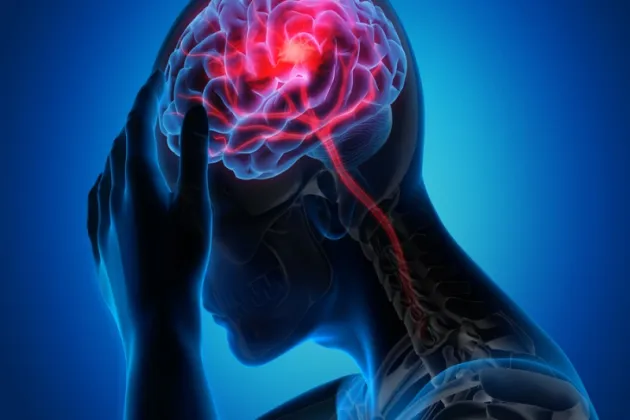
Poudel explained that a stroke occurs when blood circulation to part of the brain is blocked. As a result, the affected part of the brain is deprived of oxygen and nutrients. His description identifies the interruption of blood flow as the central feature of a stroke and explains why the condition can affect the brain.
The explanation also gives context to the World Stroke Day slogan, “Every Minute Counts.” The words underscore the importance of time in discussions about a condition caused by interrupted circulation to the brain. Poudel’s remarks connected that message with the reported frequency of stroke in Nepal, where, according to his estimate, a person is affected every 10 minutes.
The comments shared for World Stroke Day were focused on the number of cases and the basic mechanism of stroke. They did not include additional figures about deaths, disability, treatment, risk factors, or the services available to patients in Nepal. The annual estimate should therefore be understood as the number of people who suffer a stroke, as stated by Poudel, rather than as a figure for any other outcome.
World Stroke Day message
Nepal observed World Stroke Day with the slogan “Every Minute Counts,” highlighting the importance of the issue at a time when the Nepal Stroke Association’s outgoing president said more than 50,000 people in the country experience a stroke each year. His statement to RSS also put the reported rate into everyday terms: one person suffers a stroke every 10 minutes.
Poudel’s remarks combined that national estimate with a concise explanation of what a stroke involves: a blockage in blood circulation to part of the brain, leaving it without oxygen and nutrients. Together, the figures and definition formed the central message shared in Nepal for the occasion.