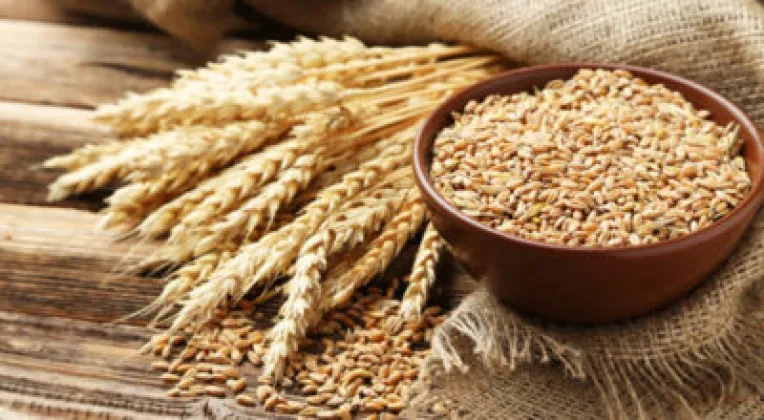
The price of wheat in Nepal has climbed to Rs 50 per kilogram, up from Rs 42 per kilogram in Baisakh, an increase of Rs 8 per kilogram within a month. Flour mill operators attribute the surge to rising wheat prices in India, while the Nepal Flour Mill Association warns that industries that use wheat as a raw material are finding it increasingly difficult to operate. The price movement, covered by Khabarhub and RatoPati, underlines how quickly costs are building up in Nepal's wheat market and how closely domestic rates are tracking price signals from across the border.
A steep climb since Baisakh
Wheat that sold for Rs 42 per kilogram in Baisakh, the first month of the Nepali calendar that begins in mid-April, is now being sold at Rs 50 per kilogram. The Rs 8 per kilogram rise works out to an increase of nearly 19 percent, a sharp movement for a commodity that sits at the base of everyday food consumption in Nepali households.
At a glance, the current situation stands as follows:
- New price: Rs 50 per kilogram
- Price in Baisakh: Rs 42 per kilogram
- Increase: Rs 8 per kilogram, or roughly 19 percent
- Reason cited by millers: price increases in India
- Key concern: wheat-based industries are struggling to keep operations running
For millers, traders and consumers alike, the speed of the increase matters as much as its size. A per-kilogram rise of Rs 8 in a single month leaves businesses little room to adjust their costing, and it pushes up the price of the raw material that flows into flour and other wheat-based products sold across the country.
Millers point to price rises in India
According to flour mill operators, the trigger for the current increase lies not in Nepal but in India, where wheat prices have gone up. As reported by Khabarhub, operators said the Indian price movement has fed directly into the rates Nepali buyers are now being asked to pay.
The explanation matters because it frames the problem as external rather than domestic. If, as the millers say, prices are rising in India, the pressure on Nepal's market reflects conditions in the larger regional market rather than a sudden shift in local demand or supply. Price signals from India translate quickly into domestic rates, and that, mill operators say, is precisely what has happened with the current wheat price rise.
RatoPati's report on the increase likewise placed the revised rate of Rs 50 per kilogram at the centre of the story, highlighting how much the commodity has climbed since Baisakh and how visibly the change is now being felt in the market.
Wheat-based industries under strain
The Nepal Flour Mill Association has been direct about the consequences. According to the association, industries that use wheat as a raw material are facing difficulties operating. Wheat is the essential input for flour milling, and when the cost of that input jumps by nearly a fifth in a single month, the economics of running a mill change almost overnight.
The association's statement points to pressure building across the wheat-processing chain. Higher raw material costs force mill operators into a difficult position: passing the increase on to customers risks pushing away buyers in a price-sensitive market, while absorbing it erodes operating margins. Either way, the operation becomes harder to sustain, and that is what the association says its member industries are now experiencing.
The warning also signals that the impact will not stay confined to flour mills alone. Any industry that depends on wheat or wheat flour as an input faces the same arithmetic of rising costs, and the association's comments suggest those difficulties are already being felt rather than merely anticipated.
What happens next
Much now depends on the direction of wheat prices in India, which flour mill operators identified as the source of the current rise. If prices in the Indian market ease, the pressure on Nepali rates could relax; if they continue to climb, the squeeze on wheat-based industries will only deepen. For now, the numbers are unambiguous: wheat has moved from Rs 42 to Rs 50 per kilogram since Baisakh, and the industries that depend on it say the strain is real.