
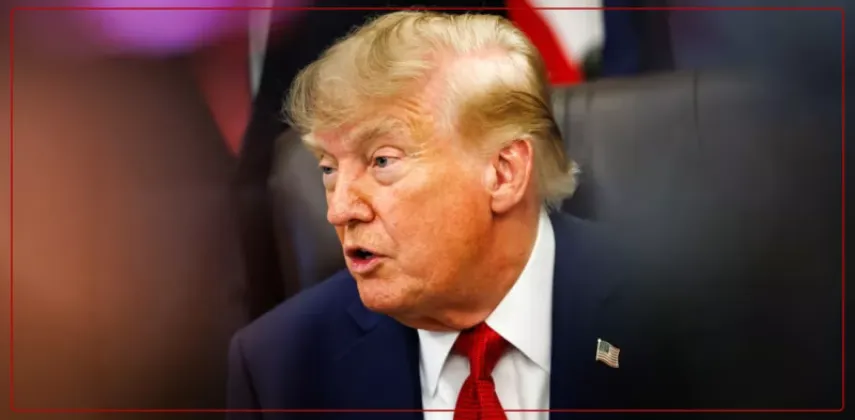
US Vice President J. D. Vance has sent a letter to Mohsen Rezaei, an influential Iranian figure, in an effort to open peace talks between Washington and Tehran, according to a report by The Wall Street Journal. The letter was sent on the instruction of President Donald Trump, who has at the same time continued to threaten renewed military strikes against Iran. The unusual pairing of direct diplomatic outreach and public threats of force comes amid heightened tensions between the two countries, leaving observers uncertain whether dialogue or confrontation will define the next phase of the standoff.
Diplomatic Overture Amid Threats of Force
The outreach, first reported by The Wall Street Journal, centers on a letter from Vice President Vance addressed to Rezaei, whom the report describes as an influential figure within Iran. The stated aim of the communication is to open a channel for peace talks, a significant step given the current state of relations between the two capitals.
What makes the report particularly striking is the dual-track nature of the American approach. Even as the vice president was extending a hand toward negotiations, President Trump was continuing to publicly threaten renewed military strikes on Iran. Nepali coverage of the story has similarly highlighted this tension at the heart of US policy, with diplomatic contact and military threats unfolding side by side.
High-Level Backing for the Letter
The reported details of the contact carry several important signals about how the outreach is being conducted:
- The letter was sent by Vice President J. D. Vance, placing a senior member of the administration directly behind the initiative
- It was sent on the explicit instruction of President Trump, indicating that the effort reflects official policy rather than an independent diplomatic probe
- The recipient, Mohsen Rezaei, is described as an influential Iranian figure, suggesting Washington is seeking out counterparts it believes can carry weight inside Iran
- The goal of the letter is to open peace talks, framing the outreach as an attempt at negotiation rather than a routine exchange
The involvement of both the vice president and, by extension, the president himself suggests that the administration views the potential opening with Tehran as a matter of the highest importance. At the same time, the continuing threats of military action complicate the picture, raising questions about whether the letter represents a genuine bid for dialogue or a component of a broader pressure campaign.
Why the Recipient Matters
The choice of Mohsen Rezaei as the addressee has drawn attention in the reporting. Described as an influential figure in Iran, Rezaei's prominence means the letter cannot easily be dismissed as a minor diplomatic gesture. If Washington is seeking to initiate peace talks, reaching out to someone with standing and influence inside the Iranian establishment could be intended to ensure the message is heard at high levels.
At this stage, the reports do not indicate how the letter has been received in Tehran or whether Iranian authorities intend to respond. That uncertainty leaves the diplomatic initiative in a delicate position, with its success dependent on decisions that have yet to be made in Iran.
Military Threats Shadow the Diplomatic Effort
President Trump's continued threats of renewed military strikes form the backdrop against which the letter was sent. The word "renewed" in the reporting underscores that the threat of force is not hypothetical in character but tied to the possibility of strikes happening again, an indication of how volatile the situation between the two countries has become.
The combination of an offer to talk and a threat to strike creates a sharply coercive dynamic. On one hand, the letter signals that the administration sees value in negotiation and is willing to engage directly with influential Iranian figures. On the other hand, the ongoing threats suggest that Washington intends to keep maximum pressure on Tehran even as it explores talks, whether as leverage at the negotiating table or as a warning of consequences should diplomacy fail.
For Tehran, this presents a complicated calculus. Responding positively to the letter could open the door to talks and potentially defuse tensions, but it would also mean negotiating under the shadow of threatened attacks. Ignoring the outreach, meanwhile, could risk the situation escalating toward the military action Trump has repeatedly dangled.
Heightened Tensions and an Uncertain Path Forward
The reports arrive amid what both Ratopati and Gorkhapatra Online describe as heightened tensions between Washington and Tehran. That strained atmosphere gives the vice president's letter added significance, as even limited diplomatic contact between the two governments represents a notable development in a period defined by hostility and threats.
Several key questions now hang over the story:
- Will Iran respond to the letter, and through which channels?
- Will the threatened military strikes materialize, or will the prospect of talks hold them back?
- Does the dual approach of outreach and threats signal a negotiating strategy, or an internal divide in the administration's thinking?
- Can peace talks realistically begin while the threat of renewed strikes remains on the table?
None of these questions has a clear answer as of the latest reporting. What is established is that the United States, at the highest levels of its government, has taken the step of directly contacting an influential figure in Iran about opening peace talks, even as its president continues to threaten military action. The coming days will reveal whether this overture marks the beginning of a negotiated path away from confrontation, or whether the mounting tensions between Washington and Tehran prove too great for diplomacy to overcome.


