
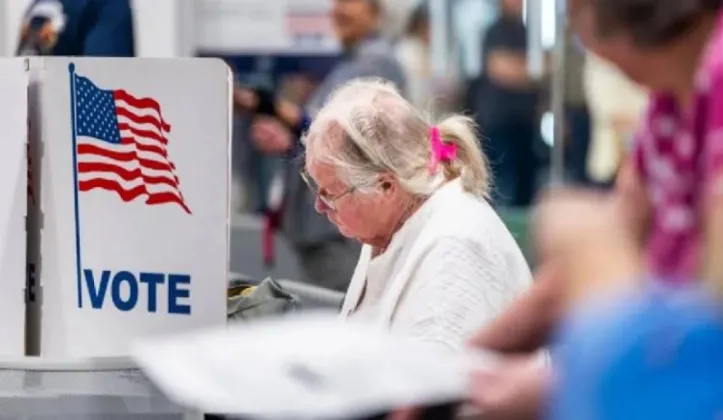
The United States will hold its midterm elections on Tuesday, November 3, with voters choosing representatives for the House of Representatives and the Senate in Washington. The contests will take place midway through the president’s four-year term and will not decide who serves as president. Both major parties are expected to face tough competition as voters determine the make-up of Congress.
What voters will decide
The elections will focus on representation in the two chambers of Congress: the House of Representatives and the Senate. Voters will choose members to serve in those legislative bodies, making the midterms a national test of which representatives Americans want speaking for them in Washington. The result will shape the composition of Congress, rather than determine the occupant of the White House.
That distinction is central to understanding the midterms. The president is not on the ballot for election in this contest, and the vote does not decide who will serve as the country’s chief executive. Instead, it gives citizens an opportunity to select congressional representatives at the midpoint of the presidential term. The elections therefore provide a separate measure of public choice, focused on representation in Congress.
The outcome will indicate what kind of representatives American citizens want in the national legislature. The House and Senate are both included in the election, placing congressional representation at the heart of the vote. The result will offer a picture of voters’ preferences for the people who serve in those two bodies, even as the presidency remains unaffected by the midterm ballot.
A competitive test for both parties
Both parties are expected to face tough competition in the elections. That makes the contests important for each side as it seeks support from voters and competes for representation in Congress. The final results will show how citizens have chosen among the candidates seeking seats in the House and Senate, and which representatives they want to send to Washington.
The races will also provide a broad signal of the public mood toward congressional representation. Because the vote takes place halfway through the president’s four-year term, it arrives at a point when citizens can make a choice about Congress without voting for president. The midterms thus stand apart from a presidential election while remaining a significant opportunity for voters to express their preferences about the national legislature.
The contests should not be read as a decision on who will serve as president: that question is not being decided on November 3. Their significance lies instead in the congressional seats at stake and the choices voters make about representation in Washington. With both parties facing competition, the outcome will reveal which candidates and representatives have secured public support for service in the House and Senate.
As election day approaches, the focus will be on the congressional races and the verdict delivered by voters. The vote will determine the representatives selected for the two chambers and provide an indication of the kind of Congress Americans want. While it will leave the presidency unchanged, the midterm election will offer a clear opportunity for citizens to influence who represents them in the national legislature.


