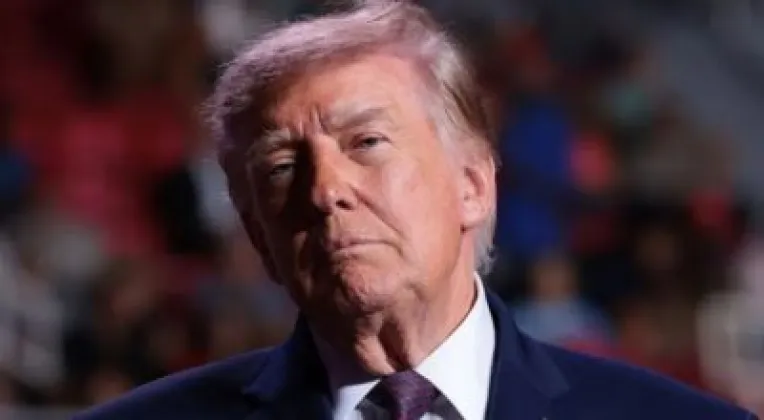
US President Donald Trump called Brazil’s presidential election “shameful” and “insulting” to the Brazilian people in remarks to reporters in Washington, saying the events were difficult to describe. He alleged that the process was fraudulent and questioned how votes were counted and why deadlines were extended, while saying he had not taken sides in the race. Trump also said he had good relations with Luiz Inacio Lula da Silva, the Brazilian president who won the election. The comments were reported by Nepali media on October 30.
Trump questions the election process
Trump’s remarks focused on the conduct of the election rather than a detailed account of any specific irregularity. He questioned the vote-counting method and the extension of deadlines, and used those concerns to allege that the process was fraudulent. The reports of his comments did not provide further details about what he believed had happened or identify evidence supporting the allegation.
The president described the election in forceful terms, calling it both “shameful” and “insulting” to Brazil’s people. He also said he found the events hard to describe. Those comments conveyed strong disapproval, but the statements as reported did not set out a specific account of how the process was allegedly compromised.
Trump paired the accusations with a qualification: he said he had not taken sides in the election. That distinction leaves two parts of his public position in tension. He disavowed backing a candidate while questioning the legitimacy of the process through which the winner was chosen. His comments, as reported, did not explain how he reconciled those positions.
Questions raised, but no detailed case presented
By referring to the counting method and extended deadlines, Trump pointed to procedural issues as the basis for his criticism. However, the available reports do not describe the counting system, specify which deadlines he meant, or give further detail on the grounds for his fraud allegation. His remarks therefore expressed suspicion about the process without, in the accounts provided, laying out a fuller evidentiary case.
Relationship with Lula
Trump also said he had good relations with Lula, the candidate who won the election and Brazil’s president. That comment contrasted with his criticism of the election itself. The reports did not indicate that Trump directed his criticism personally at Lula, nor did they provide details about the nature of the relationship he described as good.
The distinction matters to the framing of Trump’s remarks: he questioned the process while speaking positively about his relationship with the person who emerged as the winner. He did not, according to the reports, say that he supported another candidate or identify a preferred outcome. His statements remained centered on doubts about how the election was conducted.
Coverage of the remarks
The comments drew attention across Nepali media, with Khabarhub, Nepal Press and Nepal Views reporting on his criticism and fraud allegation. Their coverage highlighted the same central elements: Trump’s condemnation of the election, his doubts about vote counting and deadlines, his statement that he had not taken sides, and his claim of good relations with Lula.
Taken together, the reported comments amount to a sharp public challenge to the election process, but the available accounts leave important details unspecified. Trump raised concerns about procedures and alleged fraud without providing, in the remarks described, a detailed explanation of the alleged wrongdoing. He also coupled that criticism with a statement of cordial relations with Lula, who won the contest.