
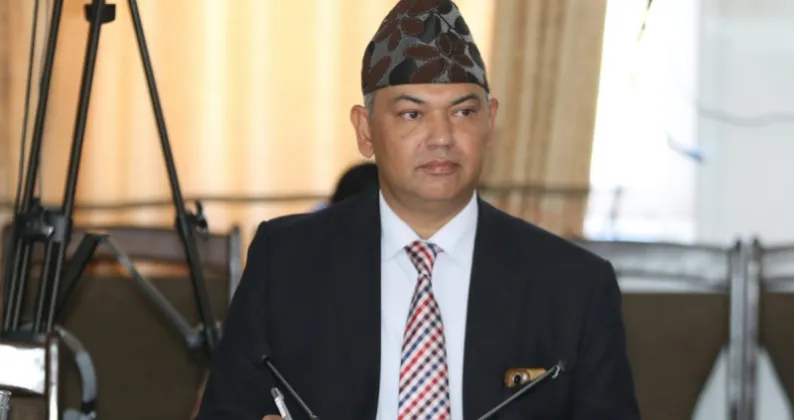
Kathmandu - Nepal's Parliamentary Hearing Committee is holding a meeting today, with the session taking place even as information the panel had sought from Japan has yet to arrive. According to a report published by Baahrakhari, the committee had earlier scheduled the sitting for Monday, but it is now convening today without the requested details in hand. The reason the documents have not reached the committee remains unclear, and no explanation has been made public so far.
The development has drawn attention because the committee's work depends heavily on the completeness of the paperwork placed before it. As reported by Baahrakhari, the pending details from Japan are a notable gap in the run-up to today's meeting, though the committee has not indicated how the missing information will affect its agenda.
Meeting date shifted amid pending documents
The scheduling of today's session marks a change from the committee's earlier plan. The panel had originally fixed Monday for the meeting, but the sitting has now been brought forward to today, according to the Baahrakhari report.
Key points from the available information include:
- The Parliamentary Hearing Committee is meeting today.
- The meeting had previously been scheduled for Monday.
- Details sought from Japan have not yet arrived.
- The reason the details have not been received remains unclear.
The committee has so far not made public what, if anything, has changed in connection with the request sent to Japan. Likewise, there is no word yet on whether the outstanding details will be tabled during today's sitting or whether the committee will discuss the matter further once the documents arrive. The available reports do not specify which appointment or file the pending details relate to.
The committee and its constitutional role
The Parliamentary Hearing Committee is a joint committee of Nepal's Federal Parliament tasked with conducting hearings on nominations for important state positions. Under Nepal's constitutional framework, certain appointments must pass through a parliamentary hearing before they can move forward. These typically include nominations to constitutional bodies, ambassadorial posts and other senior positions that federal law places under the committee's scrutiny.
During a hearing, the committee examines a nominee's qualifications, experience and overall suitability for the post. The panel's proceedings are meant to give parliament a formal role in vetting appointments to positions of significant public responsibility. A nomination can only proceed once the hearing process has been completed in accordance with the applicable rules.
For such hearings to run smoothly, committees generally rely on complete documentation about the nominees and the positions concerned. Requests for additional details, such as the one outstanding from Japan in this case, are part of the preparatory work that allows members to examine the matters before them thoroughly. When such details are delayed, the committee's ability to take up the relevant business can be affected.
Why the pending details matter
The outstanding documents from Japan are significant because the committee is meeting without them. The Baahrakhari report notes that the details have not yet arrived and that the reason for this remains unclear. In practical terms, this means the committee is proceeding with its session while a key piece of information remains outside its hands.
What is known at this stage is limited:
- The request for details was sent to Japan.
- The materials had not arrived as of the time of the report.
- No reason for the delay has been given publicly.
- The committee is meeting today despite the gap.
The available reports do not say when the details were requested, what specific information is being sought, or whether a deadline has been set for their receipt. They also do not indicate whether the committee plans to wait for the documents before taking up the related business or whether it will proceed with other agenda items in the meantime.
What happens next
Attention will now turn to today's meeting and to any statements the committee issues afterwards. If the details from Japan arrive, the committee may be in a position to advance the related file. If they do not, the panel could choose to revisit the matter at a later sitting, though no such decision has been announced in the available reporting.
For now, the committee's meeting today proceeds against the backdrop of an unresolved information request. The shift from Monday to today, combined with the still-absent details, leaves several questions open: when the documents will arrive, why they have been delayed, and how their absence will shape the committee's discussion.
Further clarity is expected to emerge once the meeting concludes and the committee communicates its decisions. Until then, the outstanding details from Japan remain the central loose end in the committee's business, and the reason for the delay remains unclear. This story will be updated as more information becomes available.


